
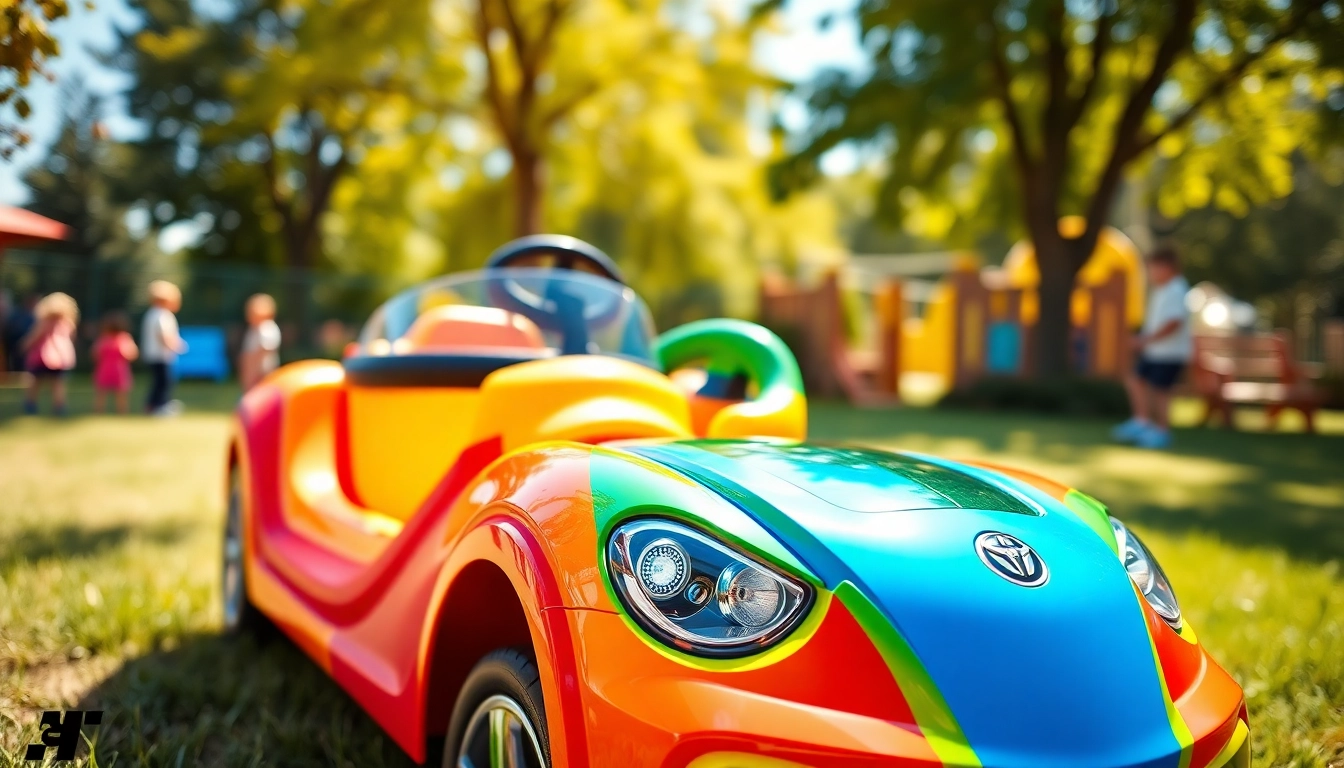
Understanding the Ride On Car
What is a Ride On Car?
A ride on car is a toy designed for children, typically powered by electric batteries or manual mechanisms, allowing them to mimic adult driving experiences safely. These toys come in various designs, including cars, trucks, and even vehicles resembling off-road models. Their allure lies in their realism; many are styled after popular car brands, complete with authentic features like doors that open, sound systems, and headlights. In essence, ride on cars provide an engaging way for children to explore their environment while enjoying the thrill of driving their very own vehicle.
Features of Modern Ride On Cars
Modern ride on car models are equipped with a plethora of features that enhance the user experience and ensure safety. Typical features include:
- Battery Power: Most ride on cars operate on rechargeable batteries, offering different voltage options for varying speeds and performance.
- Parental Controls: Many models now come with remote controls for parents, enabling supervision over speed and direction for enhanced safety.
- Safety Features: Features like seat belts, anti-slip wheels, and reinforced frames aim to ensure a safe riding experience.
- Entertainment Options: Integrated music systems, Bluetooth connectivity, and interactive sound effects make rides more enjoyable.
- Versatility: Some cars offer the ability to ride on various terrains, thanks to features that enhance stability and power.
Age Appropriateness for Ride On Cars
Age appropriateness is a key consideration when selecting a ride on car. Most manufacturers provide age recommendations, generally ranging from toddlers (2 years) to children up to about 12 years old, depending on the size and power of the vehicle. It’s vital for parents to choose a model that aligns not only with their child’s age but also their developmental stage and physical capabilities. For instance, younger children often benefit from slower models with simpler controls, while older kids may enjoy faster, more robust vehicles with advanced features.
Benefits of Using a Ride On Car
Physical Development and Coordination
One of the pronounced benefits of using a ride on car is its contribution to physical development. As children operate these vehicles, they engage core muscles and enhance their motor skills. Steering, accelerating, and braking involve hand-eye coordination and bilateral coordination. These activities help develop various muscle groups while also improving balance and stability, fostering a physical connection with their environment.
Boosting Confidence and Independence
Another significant advantage of ride on cars is their ability to boost a child’s confidence. When children drive their ride on car, they experience a sense of independence, enhancing their self-esteem. They learn to make decisions about direction and speed, which contributes to cognitive development. Successfully maneuvering their vehicle fosters a sense of accomplishment; as they grow more adept at controlling the car, children naturally develop their confidence in navigating various challenges.
Social Interaction during Play
Ride on cars also encourage social interaction. When children play together, they not only engage in cooperative play but also develop vital communication skills. Situations where kids need to share vehicles, negotiate turns, or work through obstacles collectively provide opportunities for social learning. Parents can even facilitate group play to help children develop teamwork skills and empathy as they interact with their peers in a fun environment.
Choosing the Right Ride On Car
Factors to Consider when Selecting
Selecting the right ride on car can be overwhelming due to the vast number of options available. Here are critical factors to consider:
- Age & Size: Always consider the age and size of the child. Ensure the vehicle can accommodate their weight and offers a comfortable driving position.
- Speed Limit: Evaluate the speed capabilities, as some children may require slower models for safety, especially younger users.
- Battery Life: Longer battery life ensures more extended playtime, so check specifications regarding battery duration and recharge time.
Safety Features of Ride On Cars
Safety should always be at the forefront when selecting a ride on car. Essential safety features include:
- Seat Belts: Proper restraints help secure your child, reducing the risk of injury during a fall or sudden stop.
- Speed Regulators: Some models offer speed control settings for beginners.
- Rubber Tires: These provide better traction on various surfaces, helping to prevent slips and accidents.
Electric vs. Manual Ride On Cars
When choosing between electric and manual options, consider the following:
- Electric Ride On Cars: Typically feature battery-powered motors, providing a smoother and easier ride. They are generally more versatile across terrains and have advanced features, including Bluetooth and parental controls.
- Manual Ride On Cars: Usually require a child to push or pedal. These can promote physical activity but may not offer the same level of excitement as electric models.

Maintenance Tips for Ride On Cars
Regular Cleaning and Care
To ensure longevity and safety, regular maintenance is crucial for ride on cars. Here are some best practices:
- Wipe Down After Use: Remove dirt and debris to prevent corrosion and wear.
- Check for Wear: Regularly inspect tires, frames, and batteries for any signs of wear or damage.
- Store Properly: Protect the vehicle from the elements when not in use to prolong its life.
Battery Maintenance Best Practices
Battery maintenance is vital for electric ride on cars. Follow these steps:
- Charge Regularly: Make sure to charge the battery periodically, even during inactivity.
- Avoid Overcharging: Disconnect from power after charging to avoid battery damage.
- Store Batteries Correctly: Ensure batteries are stored in a cool, dry place to prevent leaks.
Storage Recommendations
The proper storage of a ride on car can enhance its lifespan. Here are some tips:
- Indoor Storage: If possible, store the vehicle indoors to protect it from moisture and harsh weather.
- Garage Location: If stored in a garage, ensure the area is clean and free of sharp objects that might cause damage.
- Use Covers: Use protective covers for added protection from dust and debris.
Frequently Asked Questions
What age is suitable for a ride on car?
Typically, children aged 2 to 12 can enjoy ride on cars, but it’s essential to consider each model’s weight and size limits for safety.
How fast do ride on cars typically go?
Most ride on cars can reach speeds between 2.5 mph to 8 mph, depending on the model and battery configuration.
Is a parental control feature important?
Yes, parental controls enhance safety, enabling parents to supervise speed and direction while allowing kids some freedom to explore.
What safety features should I look for?
Look for features like seat belts, anti-slip tires, and speed regulation options to ensure your child’s safety while driving the vehicle.
How do I maintain my ride on car?
Regular cleaning, thorough inspections, proper battery care, and appropriate storage are key to maintaining a ride on car’s performance and lifespan.