Understanding Cape Cod Home Addition Concepts
Defining Cape Cod Home Addition
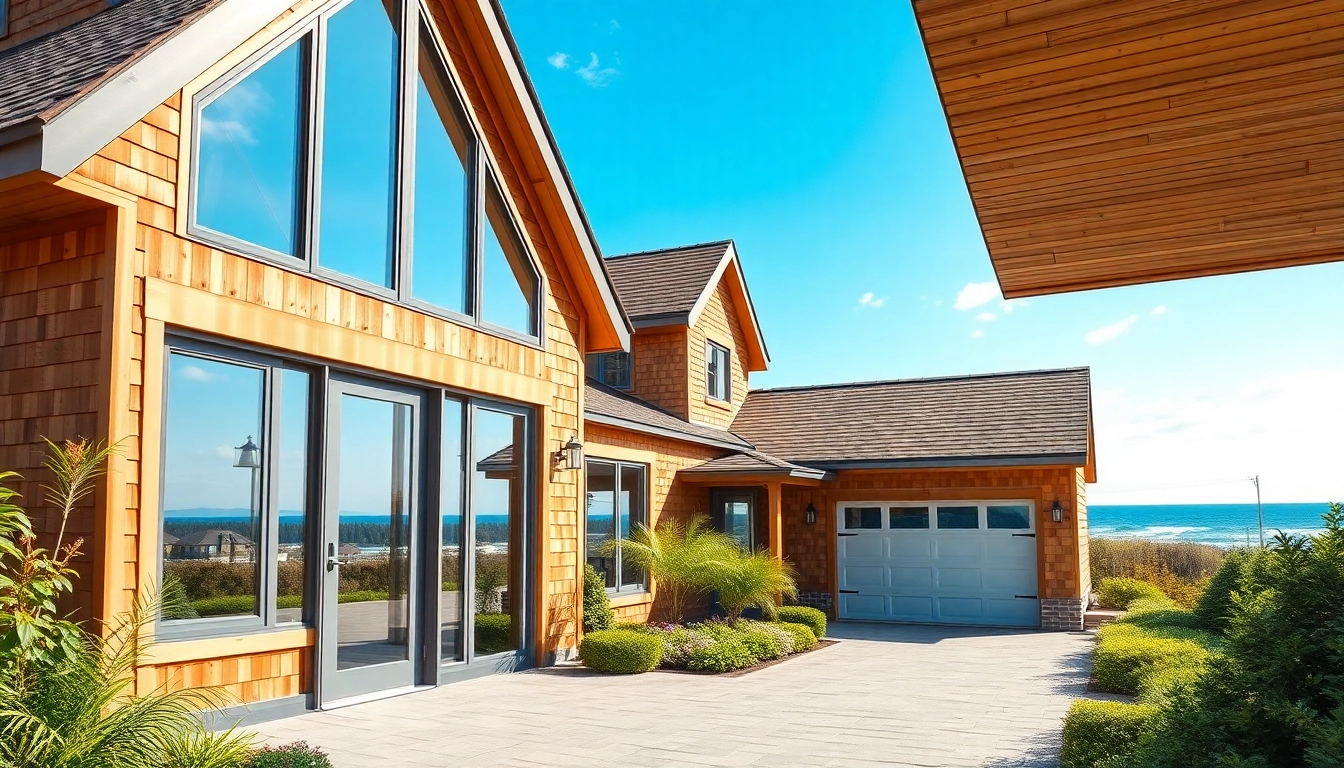
A cape cod home addition extends the traditional charm of Cape Cod architecture while meeting the evolving needs of homeowners. This type of expansion typically involves adding rooms, increasing living space, or incorporating functional areas like garages or sunrooms without compromising the aesthetic integrity of the original structure. Due to its coastal roots, a Cape Cod home addition should enhance functionality while maintaining the classic features seen in Cape Cod design, such as symmetry, dormer windows, and wooden shingles.
Historical Significance of Cape Cod Architecture
Originating in the early 17th century, Cape Cod architecture was designed to withstand the harsh New England weather. The homes were typically one or one-and-a-half stories with steep roofs, wide eaves, and straightforward forms to prevent snow accumulation. This style emphasized simplicity and functionality. As architectural tastes evolved, so did the design principles, and today, Cape Cod homes encompass a range of styles. Adding onto a Cape Cod home is not just about functionality; it’s also about respecting the history and tradition of this unique architectural style.
Benefits of a Cape Cod Home Addition
Choosing to expand a Cape Cod home offers numerous benefits. Firstly, a home addition can significantly increase property value, making it an appealing investment for homeowners. Additionally, it allows for personalized design tailored to individual needs, such as creating extra bedrooms, a home office, or recreational spaces. Moreover, a Cape Cod home addition can enhance the overall functionality of the property, accommodating modern lifestyles while preserving the timeless character of the original structure.
Planning Your Cape Cod Home Addition
Key Considerations Before You Begin
Before embarking on a Cape Cod home addition project, several key considerations should be evaluated. Assessing the current structure is crucial. Understanding its design, foundation, and roofline will inform the addition’s design and feasibility. Budgeting is another major factor; staying within financial limits while achieving desired results is essential. Lastly, consider the disruption caused by construction—timing the project around family schedules can minimize inconvenience.
Choosing the Right Location
The location of your addition is vital for maximizing the new space and visual appeal. Ideally, the addition should harmonize with the existing home. This means considering factors like sunlight exposure, the view from primary living spaces, and landscaping considerations. Additionally, it’s worth evaluating how the addition interacts with outdoor spaces—good accessibility will enhance the flow between indoors and outdoors.
Understanding Local Building Codes
One of the most critical aspects of planning your Cape Cod home addition is ensuring compliance with local building codes and regulations. These laws vary by municipality and can influence the design, height, and setback of your addition. Before you begin construction, consult with local authorities to ensure all your plans are compliant, which will save headaches and potential fines during and after the build process.
Designing Your Cape Cod Home Addition
Emphasizing Cohesion with Existing Structures
When designing a Cape Cod home addition, cohesion with the existing arrangement is paramount. This involves mirroring architectural features such as rooflines, window styles, and materials. For example, retaining the signature clapboard siding and adding similar dormer windows ensures the new space feels like an integrated part of the home. Working with an architect familiar with Cape Cod styles can help maintain aesthetic harmony.
Selecting Appropriate Materials
The choice of materials can significantly influence both the aesthetic and performance outcomes of a home addition. Traditional materials such as wood (often painted in classic shades), shingles, and natural stone not only reflect the heritage of Cape Cod homes but also offer durability. When selecting materials, consider sustainability as eco-friendly options can enhance both insulation and environmental impact, fostering a more responsible approach to home design.
Incorporating Eco-friendly Features
Incorporating eco-friendly features into your Cape Cod home addition can enhance energy efficiency. Options like solar panels, energy-efficient windows, and high-performance insulation will reduce energy costs over time. For landscaping, selecting native plants can lower water usage while enhancing the natural beauty of the property. By integrating these sustainable practices, your home will be able to maintain its character while reducing its overall ecological footprint.
Executing the Build of Your Cape Cod Home Addition
Finding Reliable Contractors
Finding a reputable contractor is crucial to the success of your Cape Cod home addition. Research professionals with experience in residential construction, specifically those familiar with Cape Cod design principles. Ask for references and review past projects to evaluate the potential contractors’ workmanship. Communication and transparency will be vital throughout the construction process to ensure your vision is realized.
Essential Construction Steps
The construction of a home addition involves several essential steps, starting with site preparation and foundation work. Proper drainage is critical to prevent issues in the future. After the foundation is laid, framing can begin, followed by roofing, siding, and window installation. Each phase should be inspected thoroughly to ensure that it meets building codes and quality standards. Communication with your contractor throughout the construction phase will help align progress with expectations.
Managing Timelines and Budgets
Effective management of timelines and budgets will be crucial during your addition’s construction. Setting realistic deadlines and ensuring that contingency funds are available for unexpected expenses can help keep the project on track. Regular progress check-ins with your contractor will enable you to address any concerns promptly and ensure that the project remains within budget. Be prepared for occasional delays, but maintaining open lines of communication can mitigate many challenges.
Maximizing Enjoyment of Your Cape Cod Home Addition
Interior Design Tips for Open Spaces
Once construction is complete, interior design becomes vital to maximizing the comfort and functionality of the new space. Open concepts are integral to modern living, and using furniture arrangements, color schemes, and lighting effectively can create a welcoming atmosphere. Consider multifaceted furniture pieces that can serve different functions, and don’t hesitate to incorporate personal touches with decorative items that reflect your style.
Landscaping Ideas for Outdoor Areas
Outdoor spaces are an extension of the interior and play a significant role in complementing a Cape Cod home addition. Incorporating features like patios, decks, or gardens can enhance your outdoor living experience. Use native plants to foster a natural environment that requires less maintenance while maintaining the coastal charm of Cape Cod. Additionally, outdoor lighting can create a beautiful ambiance, perfect for evening gatherings.
Maintaining Your Home Addition Over Time
Maintenance is crucial for preserving the beauty and functionality of your Cape Cod home addition. Regular inspections of roofing, siding, and landscaping can prevent costly repairs later on. Create a maintenance schedule to ensure tasks like painting, gutter cleaning, and seasonal landscaping are performed timely. Establishing a routine will also help to maintain property value and sustain the appeal of your home for years to come.
Frequently Asked Questions
What permits do I need for a Cape Cod home addition?
You’ll typically need building permits and potentially zoning approvals. Check with local authorities for specific requirements.
How long does a Cape Cod home addition project usually take?
Depending on the complexity, a project can take several months from planning to completion, typically 4-6 months.
What costs should I expect for a Cape Cod home addition?
Costs can vary widely based on size and design, typically ranging from $100 to $300 per square foot.
Can I live in my house during construction?
Yes, but be prepared for noise and disruptions. It’s often manageable if only part of the house is being worked on.
How can I increase my Cape Cod home’s resale value?
Carefully planned additions and updates can significantly enhance resale value, especially if they improve functionality and aesthetics.