Understanding Seamless Living
Seamless Living is a transformative concept aimed at creating an environment that fosters harmony, comfort, and efficiency in our daily lives. It emphasizes the integration of various elements within a living space, making them work together fluidly rather than as disjointed parts. This approach is particularly relevant today, as people seek peaceful retreats amid the chaos of modern life. By prioritizing simplicity and connectivity, Seamless Living encourages residents to experience a better quality of life through intentional design choices.
Definition and Origins of Seamless Living
The essence of Seamless Living lies in creating a cohesive environment that blends aesthetics with function. Initially, this concept emerged from holistic design principles which prioritize the needs of individuals and households. Influences from minimalist design and open-plan living have shaped its definition, emphasizing the significance of fluidity in transitioning between different areas of the home. As technology has advanced, the concept continues to evolve, adapting to the growing needs for sustainability and multifunctionality in living spaces.
The Philosophy Behind Seamless Living
At its core, the philosophy of Seamless Living is rooted in the belief that our physical surroundings impact our mental and emotional well-being. Environments designed with serenity and functionality in mind can enhance productivity, creativity, and peace of mind. Seamless Living encourages individuals to curate their spaces intentionally, selecting elements that resonate with their lifestyle and values. This philosophy extends beyond mere decoration; it advocates for spaces that tell a story and reflect personal identities while being practical.
Importance of Seamless Living in Modern Life
In today’s fast-paced world, the need for spaces that provide comfort and efficiency has never been more critical. Transitioning into Seamless Living can lead to improved mental health by reducing clutter and chaos that typically characterize modern residences. Furthermore, with urbanization on the rise, many are living in smaller spaces, making principles of Seamless Living essential for maximizing those environments. Ultimately, by focusing on simplicity and connectedness, Seamless Living can significantly enhance quality of life.
Design Principles for Seamless Living
Creating Open and Inviting Spaces
One of the key design principles of Seamless Living is creating open and inviting spaces. This begins with an effective floor plan that enables free flow of movement, encouraging social interactions and versatility in how spaces are utilized. Open-concept living rooms and kitchens can foster connectivity among family members and guests, making an environment feel accommodating.
Consider using furniture arrangements that encourage conversation and interaction. For instance, sofas and chairs arranged in a circular or semi-circular layout can help foster feelings of inclusivity. Additionally, eliminating unnecessary walls or barriers can visually expand a space, creating an inviting atmosphere.
Choosing the Right Color Palette
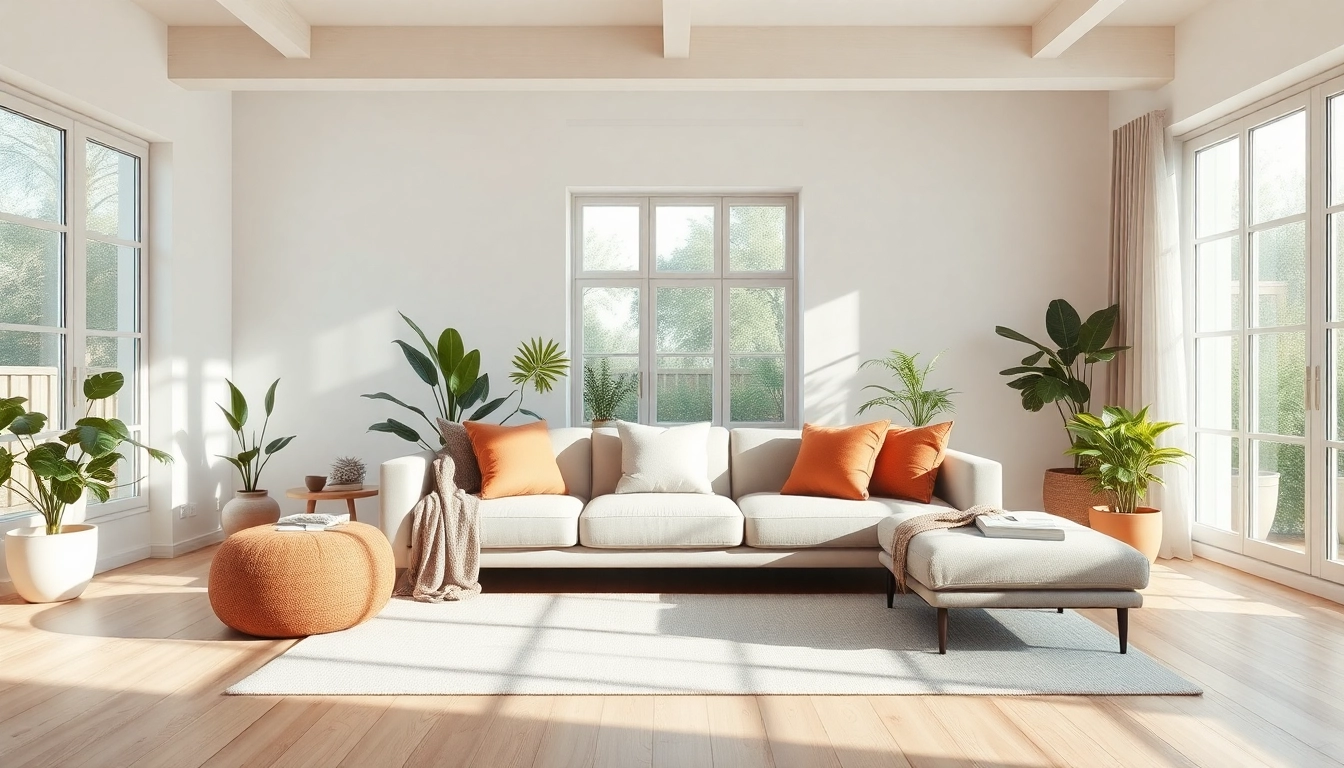
The selection of color plays a crucial role in establishing an inviting ambiance. A cohesive color palette can unify disparate spaces, allowing them to flow together seamlessly. Neutral tones often serve as the foundation, with splashes of color that reflect personal style.
Soft shades like whites, beiges, and pastels can create an airy feel, while deeper colors can add warmth and coziness. It’s essential to think about how these colors impact mood and energy levels, as lighter colors may lend a sense of calm, while more vibrant hues can evoke creativity and liveliness.
Incorporating Nature into Your Design
Bringing the outdoors inside is another significant aspect of Seamless Living. This can be achieved through the use of greenery, natural materials, and ample natural light. Houseplants not only enhance aesthetic appeal but also improve air quality and promote well-being.
Natural elements such as wooden finishes, stone, and sunlight can create a tranquil environment that fosters a connection to nature. Consider incorporating large windows, light-filtering curtains, and natural textures to create a grounded, serene atmosphere.
Functional Elements for Seamless Living
Smart Storage Solutions
Effective storage solutions are integral to ensuring a clutter-free environment, essential for a Seamless Living approach. Utilizing multi-functional furniture, such as ottomans that double as storage bins or beds with drawers, maximizes space efficiency. Built-in shelves and cabinets can offer discreet storage options while maintaining the aesthetics of the room.
Vertical storage options can free up floor space, creating an appearance of openness. Emphasizing neatness through well-organized storage will not only simplify daily living but also contribute to an overall sense of peace in the environment.
Multi-functional Furniture Options
With the increasing trend toward compact living spaces, the importance of multi-functional furniture cannot be overstated. Pieces that serve multiple purposes, such as a dining table that can transform into a workspace, create dynamic environments and add versatility to daily routines. Adjustable furniture, such as fold-out desks or convertible sofas, can accommodate various activities throughout the day and maximize utility.
By incorporating innovative designs, homeowners can cultivate an adaptable living area that responds to the changing needs of household members without compromising aesthetics.
Improving Traffic Flow in Your Space
A critical consideration in achieving a Seamless Living environment is optimizing traffic flow within spaces. This involves designing layouts that allow for easy navigation without congestion. When planning furniture placements and pathways, ensure there are clear lines of movement that promote efficiency.
Implementing a flexible layout that allows for different seating arrangements or activity zones can enhance the adaptability of the space. This emphasis on flow and accessibility can help create a more harmonious and enjoyable living experience.
Challenges in Achieving Seamless Living
Identifying Common Pitfalls
While the idea of Seamless Living is appealing, several common pitfalls can hinder its implementation. Over-cluttering, poor furniture choices, and neglecting the importance of lighting can all detract from the desired harmonious environment. Homeowners must first recognize these pitfalls to address them effectively.
Additionally, many may mistakenly believe that minimalism equates to a lack of character, which is not the case. Seamless Living thrives on incorporating personality while maintaining order—finding the right balance is paramount.
Overcoming Space Limitations
Space limitations can pose significant challenges, particularly in urban living situations. However, this doesn’t mean that Seamless Living principles cannot be applied. Creative approaches, such as using mirrors to create the illusion of depth and space, can be effective tools.
Consider the potential of vertical design strategies, like utilizing wall space for shelving or artwork, to keep surfaces uncluttered. The key is to focus on the functional use of space—prioritizing what brings the most value to daily life.
Maintaining Balance and Harmony
Achieving balance and harmony is crucial for a cohesive living experience. This involves finding the right equilibrium between color, texture, and form. A visually heavy area could leave the room feeling chaotic, while too many elements may cause confusion.
In practice, evaluate each aspect of a space to determine whether it contributes to or detracts from overall harmony. Regular re-evaluation of decor choices and functional needs can help maintain an environment that reflects the principles of Seamless Living.
Frequently Asked Questions about Seamless Living
What is the concept of seamless living?
Seamless Living is the design approach that aims to create harmonious, functional spaces where elements work fluidly together. It emphasizes simplicity, connectivity, and intentionality in our living environments.
How can I start achieving seamless living in my home?
Begin by decluttering, choosing a cohesive color palette, and integrating multi-functional furniture. Focus on open spaces and consider incorporating natural elements to enhance your environment.
What colors are best for a seamless living environment?
Neutral tones, like whites, beiges, and soft pastels, are ideal for promoting a calm atmosphere. Introduce vibrant accents that resonate with your personal style without overwhelming the space.
Can seamless living work in small spaces?
Yes! Seamless Living principles are particularly beneficial in smaller spaces. Prioritizing multi-functional furniture and smart storage solutions enhances both organization and usability.
What role does nature play in seamless living?
Incorporating natural elements, such as plants and organic materials, enhances well-being and creates a calming environment. Nature fosters a connection that promotes relaxation and tranquility in your home.