
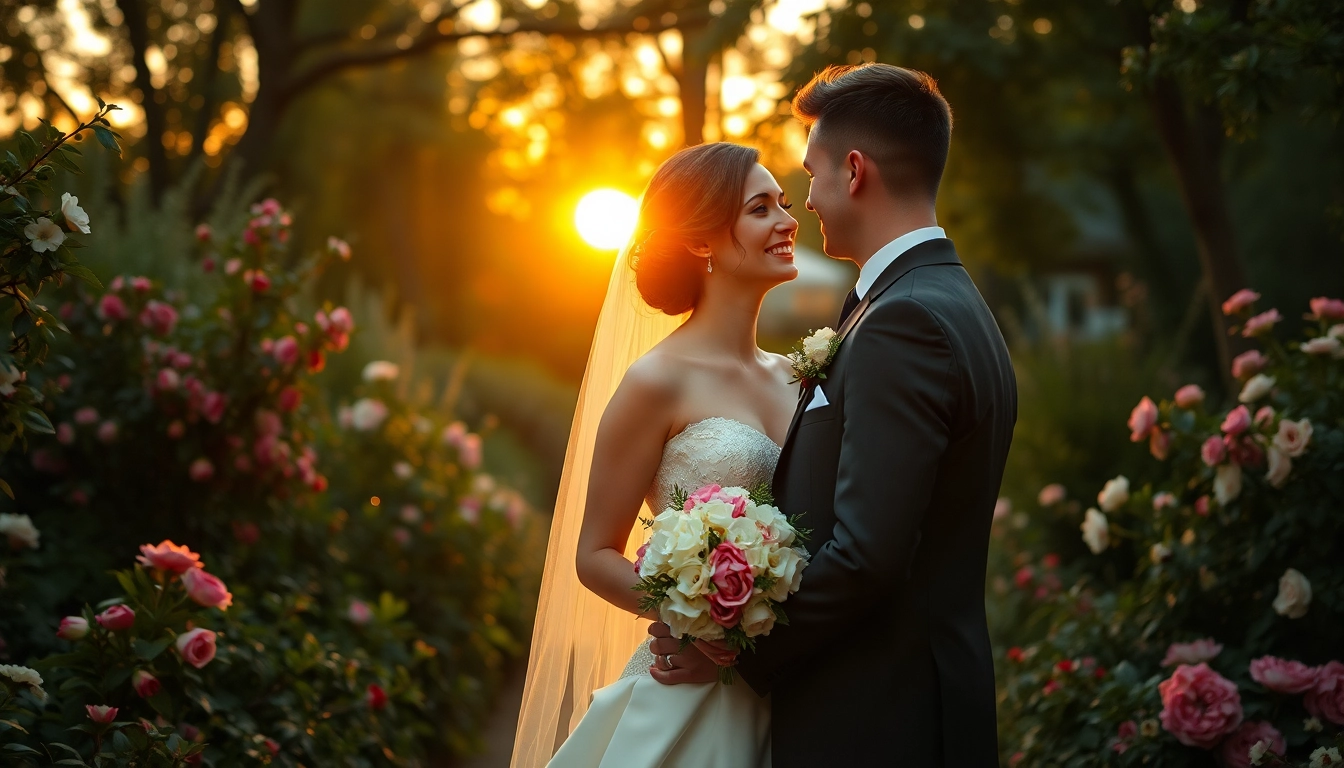
Understanding the Basics of Wedding Photography
What is Wedding Photography?
Wedding photography is an art form aimed at capturing the elegance and emotion of one of the most significant days in a couple’s life. It involves photographing the various events of a wedding day to create lasting memories. This genre emphasizes storytelling through images, allowing couples and their families to revisit those special moments for years to come. Wedding photography is not just about posing for formal shots; it’s also about capturing candid moments, details, and the atmosphere that encompasses the event.
Key Elements of Effective Wedding Photography
Effective wedding photography is built on several key elements:
- Preparation: A successful wedding photographer must prepare thoroughly, including consultations with the couple and scouting locations.
- Timing: The ability to capture critical moments, from the exchange of vows to the first dance, ensures that no memorable event goes unrecorded.
- Perspective: A diverse range of angles and framing can add depth and interest to the photographs.
- Emotion: Capturing genuine emotions—laughter, tears, joy—adds a deeper narrative to the set of images.
Common Styles in Wedding Photography
Wedding photography features various styles that cater to different tastes and preferences. Here are some common styles:
- Traditional: Focuses on posed shots and formal portraiture, typical of classic wedding photography.
- Documentary: A candid approach that captures events as they unfold, telling the story of the day without interference.
- Fine Art: Emphasizes artistic compositions, creating visually striking images that resemble pieces of art.
- Photojournalistic: Similar to documentary, but places more emphasis on storytelling and emotion through candid shots.
Planning for the Perfect Wedding Photography Session
Choosing the Right Location for Wedding Photography
The choice of location plays a crucial role in wedding photography. A well-thought-out backdrop can significantly enhance the aesthetic appeal of the photos. Factors to consider include:
- Venue: Choose locations that resonate with the couple’s style, whether it’s a grand hall, a rustic barn, or a beach setting.
- Lighting: Consider the natural light available at different times of the day. Early morning and late afternoon often provide the best conditions.
- Accessibility: Ensure that locations are easily accessible for the couple, guests, and the photographer.
- Weather Considerations: Be prepared for varying weather conditions, especially for outdoor venues.
Preparing the Couple for Wedding Photography
Effective preparation can lead to stunning results. Here are some essential steps for preparing the couple for their wedding photography session:
- Pre-Shoot Consultations: Discuss the couple’s vision, preferred styles, and key must-have shots.
- Dress Rehearsals: Encourage the couple to try out their outfits beforehand to ensure comfort and perfect fit during the shoot.
- Timeline Coordination: Collaborate on the wedding day timeline to allocate time for various photography opportunities.
- Taking Care of Details: Remind the couple to consider small details like flowers, accessories, and personal touches that tell their story.
Scripting a Wedding Photography Timeline
A well-structured timeline is vital to ensure that every essential moment is captured without rushing. Here’s how to script an effective wedding photography timeline:
- Start Early: Begin with the getting-ready sessions, capturing pre-ceremony emotions.
- Ceremony Details: Allocate time for arrival, setup, and the ceremony itself.
- Post-Ceremony Shots: Candid and posed images with family and guests should be scheduled immediately after the ceremony.
- Reception Coverage: Capture the celebrations, including speeches, dances, and candid moments throughout the evening.
Essential Techniques for Capturing Stunning Wedding Photography
Best Camera Settings for Wedding Photography
Understanding optimal camera settings is crucial for outstanding wedding photography. Below are recommended camera settings to consider:
- Aperture: Use a wide aperture (f/2.8 – f/5.6) for beautiful bokeh effects in portraits while maintaining sharp focus on the subject.
- Shutter Speed: Ensure a fast shutter speed (1/250s or faster) to freeze motion during fast-paced moments.
- ISO Levels: Adapt ISO settings based on lighting conditions. In low light, consider raising to 800 or 1600, but be mindful of grain.
Utilizing Natural Light in Wedding Photography
Natural light can enhance the beauty of wedding photography significantly. To make the most of natural light:
- Golden Hour: Schedule outdoor shots during the golden hours—shortly after sunrise and before sunset—when the light is softer.
- Choose Locations Wisely: Look for shaded areas to soften harsh sunlight or utilize backlighting for ethereal effects.
- Equipment: Use reflectors to bounce light and fill shadows, enhancing the overall quality of images.
Creative Composition Techniques in Wedding Photography
Mastering composition techniques can greatly enhance the storytelling aspect of wedding photography. Here are a few to consider:
- Rule of Thirds: Position key elements off-center to create dynamic images that guide the viewer’s eye.
- Leading Lines: Use natural lines within the environment to draw attention to the subjects, creating a sense of movement.
- Framing: Incorporate elements of the surroundings to frame subjects, adding depth and context to the images.
Post-Processing: Enhancing Your Wedding Photography
Basic Editing Tips for Wedding Photography
Post-processing is a vital step in creating stunning wedding photography. Here are some basic tips:
- Raw Format: Always shoot in raw format for greater flexibility in editing.
- White Balance Adjustments: Proper white balance makes images look more natural; adjust based on lighting situations.
- Exposure Corrections: Ensure images are well-exposed; use tools to correct highlights and shadows as needed.
Using Filters and Effects in Wedding Photography
Filters and effects can enhance the overall feel of wedding photographs. Some popular options include:
- Lens Filters: Use polarizing filters to reduce glare and enhance colors during outdoor shoots.
- Lightroom Presets: Develop a set of presets that resonate with your style, ensuring consistent editing across the portfolio.
- Vignetting: Subtle vignetting can draw focus to the couple, enhancing their presence in the image.
Creating a Consistent Style in Wedding Photography
A unique and consistent style sets a wedding photographer apart from the competition. Consider the following approaches:
- Color Grading: Develop a signature color palette that translates consistently across images.
- Editing Workflow: Stick to a standardized editing workflow for efficiency and consistency.
- Aesthetic Goals: Define what aesthetic appeals to you—such as bright and airy or dark and moody—and maintain it throughout your work.
FAQs About Wedding Photography
How do I choose a wedding photographer?
Look for a portfolio that matches your style, read reviews, and meet potential photographers to discuss your vision.
What should we wear for our wedding photography session?
Choose outfits that reflect your personality and match the wedding’s theme, ensuring comfort and style in your photos.
How long should our wedding photography session last?
Sessions typically last 6-8 hours to capture getting ready, ceremony, and reception moments without rushing.
What makes a wedding photo look professional?
Proper lighting, composition, and an experienced photographer’s eye for candid moments contribute to a professional look.
How do we prepare for our wedding day photos?
Candid moments, special details, and a clear timeline for the day help create beautiful and meaningful wedding photography.