Understanding the Different Types of Refrigerators
When selecting a refrigerator, understanding the various types available is crucial. Each type is designed with specific features and advantages that can cater to different needs and kitchen layouts. In this section, we’ll delve into three primary types of refrigerators: top-freezer, French door, and side-by-side refrigerators.
Top-Freezer Refrigerators: Pros and Cons
Top-freezer refrigerators are the classic design that many grew up with. They feature a fresh-food compartment at eye level and the freezer on top. Here are some pros and cons to consider:
Pros:
- Space efficiency: Generally, top-freezer models are compact, making them suitable for smaller kitchens.
- Energy efficient: Their simpler design often requires less energy to operate compared to more complex models.
- Cost-effective: They are typically priced lower than contemporary designs, making them accessible to a broader range of budgets.
Cons:
- Lifting and bending: Reaching for items stored higher in the freezer can be inconvenient.
- Limited style options: Compared to modern designs, they might lack aesthetic versatility and high-tech features.
French Door Refrigerators: Features and Benefits
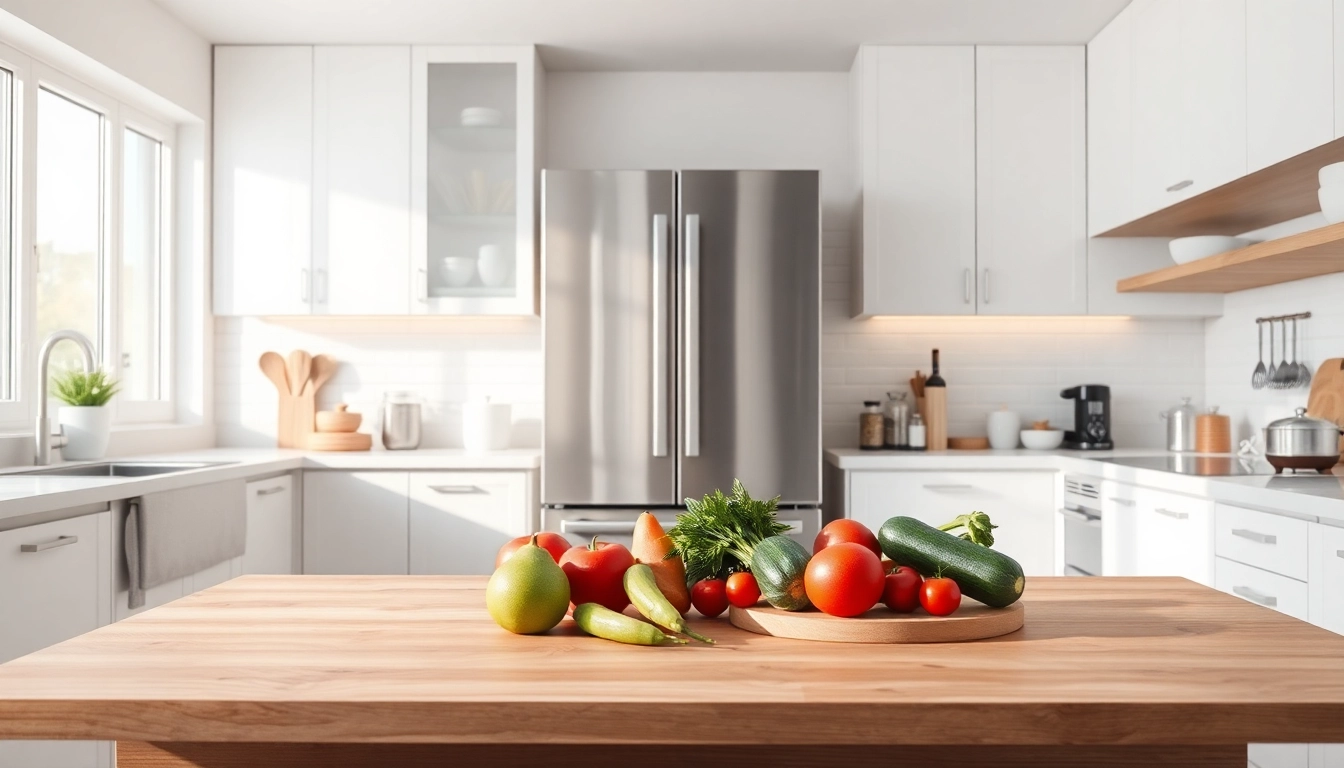
French door refrigerators have become increasingly popular for their sleek design and ample storage options. They feature two doors that open to a wide fresh-food compartment with a bottom-mounted freezer.
Benefits:
- Space organization: The spacious layout allows for better organization of food items.
- Accessibility: Items are easily accessible at eye level, reducing the need to bend down.
- Modern features: Many models come with advanced technology, including ice and water dispensers, smart home features, and adjustable shelving.
Side-by-Side Refrigerators: A Space-Saving Option
Side-by-side refrigerators have the fresh food and freezer compartments side by side. This design maximizes space and provides easy access to both sections without taking up too much floor space.
Advantages:
- Compact design: Ideal for narrow kitchen spaces.
- Easy access: Both refrigerator and freezer spaces are easily visible and reachable.
- Multiple features: Many models include water and ice dispensers along with various storage configurations.
Key Features to Consider When Buying a Refrigerator
When purchasing a refrigerator, several key features can affect your decision. Understanding these features can help ensure you choose the right appliance for your kitchen and lifestyle.
Energy Efficiency Ratings Explained
Energy efficiency is crucial in today’s eco-conscious world. Look for the Energy Star label, which signifies that the refrigerator meets strict energy efficiency guidelines set by the U.S. Environmental Protection Agency. Energy-efficient models consume less energy, saving you money on utility bills and reducing your carbon footprint.
Size and Capacity: How to Measure Your Space
Before buying, measure your kitchen space carefully, considering doorways and pathways for delivery and installation. Refrigerator sizes range from compact models suitable for apartments to large ones that can hold substantial family food supplies. Consider your household needs; larger families or those who cook frequently may benefit from larger capacity models.
Smart Technology: Is It Worth It?
Smart refrigerators are increasingly popular, featuring Wi-Fi connectivity, touch screens, and compatibility with smart home systems. These appliances allow for remote temperature control, grocery inventory tracking, and recipe access. Determine if these features align with your lifestyle or if traditional functions suffice for your needs.
Common Refrigerator Problems and Solutions
No appliance is free from potential issues. Understanding common refrigerator problems and their solutions can save you time and money.
Temperature Control Issues
If your refrigerator isn’t maintaining the right temperature, various components could be the culprit, including the thermostat, condenser coils, or door seals. Check to ensure the thermostat is set correctly, clean the coils, and inspect door seals for leaks.
Noise and Vibration Problems
Unusual sounds from your refrigerator could indicate issues with the compressor or fan. It’s essential to place the refrigerator on a level surface and ensure it isn’t touching any surrounding cabinets. If loud noises persist, consult a professional for further diagnosis.
Leaking Water: Causes and Fixes
A leaking refrigerator can be a hassle. Common causes include clogged defrost drains, broken door seals, or improperly leveled appliances. Inspect the drain for clogs and check the door seals to ensure proper closure. If issues continue, it may require the attention of a technician.
Maintenance Tips for Longevity of Your Refrigerator
Proper maintenance extends the lifespan and efficiency of your refrigerator. Here are some essential tips:
How to Clean Your Refrigerator Efficiently
Cleaning your refrigerator every few months is crucial. Remove all items and use a mixture of mild soap and water to clean shelves and surfaces. Address any spills immediately to prevent odors or bacteria buildup.
Checking the Door Seals: Importance
Door seals ensure that cold air remains inside your refrigerator. Check seals regularly for damage or dirt, which can impede their effectiveness. A simple test is to close the door on a piece of paper; if it pulls out easily, the seal may need replacement.
Regular Filter Replacement: Keeping It Fresh
If your refrigerator has a water and ice dispenser, replace the water filter according to the manufacturer’s recommendations. This not only enhances water quality but also improves the efficiency of the dispenser and keeps odors at bay.
FAQ: Exploring Common Questions About Refrigerators
What is the Difference Between Fridge and Refrigerator?
A fridge is a compact appliance designed primarily for basic cooling, whereas a refrigerator is a larger appliance that includes features for cooling, freezing, and often advanced options for freshness and organization.
How Much Should I Expect to Pay for a New Refrigerator?
The cost of a refrigerator can vary widely based on type and features. Prices generally range from $500 to over $3,000 depending on the size, technology, and design.
How Long Should a Refrigerator Last?
With proper maintenance, a refrigerator can last anywhere from 10 to 20 years. Regular checks and prompt repairs can extend its lifespan significantly.
Can I Repair My Refrigerator Myself?
Some minor issues, like replacing water filters or cleaning coils, can be DIY tasks. However, more complex problems may require professional service for safety and effectiveness.
What are the Popular Sizes for Refrigerators?
Popular sizes range from compact models (less than 10 cubic feet) for small spaces to larger models (over 30 cubic feet) for ample kitchen storage. Choose based on your kitchen space and food storage needs.