
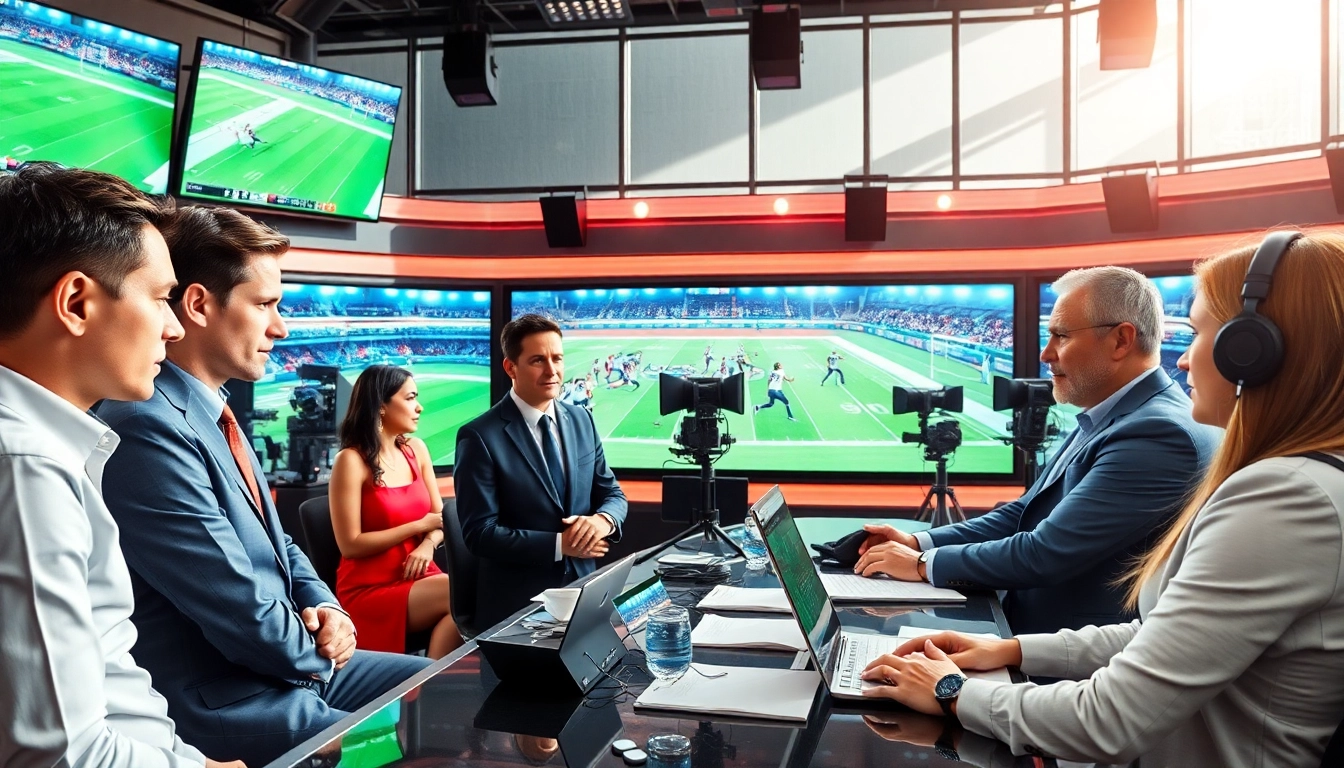
Understanding the Basics of Sports Broadcasting
What is Sports Broadcasting?
Sports broadcasting involves the transmission of live sporting events and related programs to an audience through various channels. This can include radio, television, and increasingly, digital platforms. Its main purpose is to inform and engage audiences while delivering real-time coverage of sports events, analysis, and commentary. As a form of entertainment, sports broadcasting plays a critical role in bringing fans closer to the action, offering them insights and a shared experience of the games they love. The shift towards digital media has made Sports Broadcasting more accessible, allowing enthusiasts to catch their favorite teams no matter where they are.
Key Roles in Sports Broadcasting
Sports broadcasting involves a myriad of professionals, each playing a unique role in delivering high-quality content. Key roles include:
- Commentators: Providing live commentary and analysis during events, they enhance viewers’ experience with insights into gameplay and strategies.
- Producers: Responsible for the overall production of broadcasts, including scheduling, content development, and technical execution.
- Cameramen: Capture live footage, ensuring that viewers see pivotal moments from multiple angles.
- Editors: Assemble and edit highlights, ensuring engaging content for replays and summaries.
- On-air hosts: Engage with audiences before, during, and after events, often featuring guest analysts and viewer interactions.
Types of Sports Broadcasting
Sports broadcasting can be categorized in several ways, each offering different viewing experiences:
- Live Broadcasting: Real-time coverage during sports events, catering to fans who enjoy witnessing the action as it unfolds.
- Recorded Broadcasting: Replays or summaries of events, ideal for viewers who missed the live event.
- Analysis Shows: Programs dedicated to dissecting games and providing expert commentary.
- Highlight Packages: Short clips summarizing key moments from various sports.
Technology and Innovation in Sports Broadcasting
The Impact of Streaming Services on Sports Broadcasting
The rise of streaming services has revolutionized the landscape of sports broadcasting. Unlike traditional cable TV, streaming services offer flexibility, allowing fans to access a plethora of sports content at their convenience. They provide personalized viewing experiences and can offer supplementary content such as on-demand highlights and behind-the-scenes features. This has not only increased subscriptions but also ushered in new ways for fans to engage with their favorite sports and teams.
Emerging Technologies in Sports Broadcasting
Technology is at the forefront of transforming how sports are broadcasted. Innovations such as 4K resolution, drones for aerial views, and advanced camera technologies enhance viewer experiences by providing unprecedented clarity and perspectives of events. Furthermore, artificial intelligence is being employed to analyze and present data in real-time, facilitating deeper insights and enhancing storytelling capabilities.
How Virtual and Augmented Reality Enhance Viewing Experience
Virtual and augmented reality (VR and AR) are providing immersive experiences that were once thought impossible. Sports fans can now enjoy stadium-like experiences in their living rooms or even virtual stadium tours. This technology enables viewers to place themselves within the action. For instance, AR features can overlay live statistics and player information during a game, creating a dynamic and interactive viewing experience that keeps fans engaged beyond just watching the event.
Creating Engaging Sports Content
Storytelling Techniques in Sports Broadcasting
Successful sports broadcasting goes beyond just showing the game; it encapsulates the stories behind the players and teams. Techniques such as narrative arcs, emotional storytelling, and character development are employed to create compelling content that resonates with viewers. By exploring player backgrounds, rivalries, and pivotal moments, broadcasters can engage their audiences on a more personal level, stimulating deeper emotional responses and loyalty.
Role of Commentary in Sports Broadcasting
Effective commentary is paramount in sports broadcasting. Commentators not only describe the game but also evoke emotions, build excitement, and provide context. Their expertise can educate viewers about strategies and player performance while also enriching the entertainment value of the broadcast. Successful commentators engage audiences with anecdotal stories, humor, and insightful observations, making the broadcast memorable.
Utilizing Social Media for Audience Engagement
Social media has emerged as a vital tool for sports broadcasters looking to engage audiences in real-time. Platforms like Twitter, Instagram, and Facebook allow broadcasters to share updates, interact with fans, and promote content collaboratively. Engaging with viewers through polls, live chats, and Q&A sessions enhances connection, allowing fans to feel part of the sporting community. This involvement can be crucial for building a loyal fan base.
Challenges in Sports Broadcasting
Managing Live Broadcasts: Common Pitfalls
Live broadcasts are fraught with challenges, including technical difficulties, unexpected incidents, and scheduling conflicts. These issues can lead to broadcasting delays or incomplete coverage. Broadcasters must prepare for equipment failures, poor weather conditions, and other unforeseen events that can disrupt live programming. Having a robust contingency plan and a skilled team can help navigate these challenges effectively.
Legal Considerations in Sports Broadcasting
Sports broadcasting is governed by various legal regulations, including copyright laws, licensing agreements, and rights distribution. Ensuring compliance with these laws is essential for broadcasters to avoid hefty fines and litigation. Additionally, understanding international rights for broadcasting events can be complex but crucial for global engagement. Navigating these legal landscapes requires careful diligence and professional legal advice.
Competition: Standing Out in a Saturated Market
The sports broadcasting market is highly competitive, with numerous players vying for audience attention. Differentiation is essential. Broadcasters can stand out by providing unique perspectives, niche sports coverage, or enhanced analysis. Innovations in viewer interaction, such as allowing fans to choose camera angles or provide real-time feedback, can also create distinctive viewing experiences that attract and retain audiences.
Measuring Success in Sports Broadcasting
Key Performance Indicators for Sports Broadcasting
To evaluate the effectiveness of sports broadcasting strategies, key performance indicators (KPIs) are essential. Metrics such as viewer ratings, audience engagement, subscription growth, and advertising revenue provide insights into performance. By regularly analyzing these metrics, broadcasters can adapt their strategies to better meet audience needs and preferences, ensuring continued growth in a dynamic marketplace.
Audience Statistics and Analytics
Understanding audience demographics and viewing habits through analytics provides invaluable insights for sports broadcasters. By utilizing data analytics tools, broadcasters can gain a detailed understanding of their viewer base, identifying key trends, preferences, and behaviors that shape content strategy. Tailoring broadcasts to meet audience expectations based on statistical insights can significantly boost viewer retention and loyalty.
Adapting Strategies Based on Viewer Feedback
Listener or viewer feedback should always inform the content strategy in sports broadcasting. Incorporating insights gathered from surveys, social media interactions, and ratings can lead to more tailored content that resonates with audiences. Successful broadcasters actively solicit feedback and make adjustments accordingly, fostering a viewer-centric approach that enhances overall satisfaction and engagement.
Frequently Asked Questions
What is the main purpose of sports broadcasting?
The main purpose of sports broadcasting is to deliver live coverage, analyze events, and provide commentary, enhancing audience engagement with sports.
How has technology changed sports broadcasting?
Technology has transformed sports broadcasting through streaming services, high-definition video, and interactive features that engage viewers more effectively.
What skills are essential for a sports broadcaster?
Essential skills for sports broadcasters include strong communication, in-depth sports knowledge, quick thinking, and the ability to engage audiences through storytelling.
What are the major challenges in sports broadcasting?
Major challenges include managing live events' unpredictability, navigating legal issues, and competing with numerous content creators in the sports industry.
How can social media enhance sports broadcasting?
Social media can enhance sports broadcasting by allowing real-time interaction, audience engagement, and sharing highlights or behind-the-scenes content to attract viewers.