
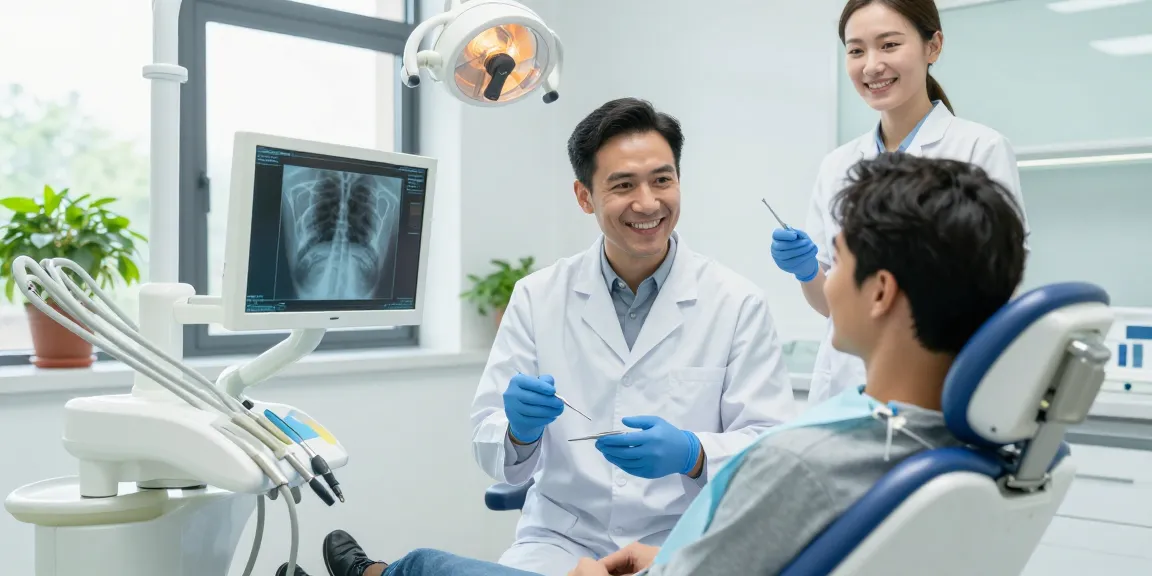
Understanding the Importance of Regular Dental Visits
Maintaining optimal oral health is essential for overall well-being, and regular dental visits play a crucial role in this process. Many people tend to overlook or postpone dental appointments, often due to fear or misconceptions about the dental experience. However, visiting a dentist regularly not only helps in keeping your smile bright but also prevents potential issues from escalating into more severe problems. As you explore your dental care options, you can discover more here about finding a reputable dentist in your city.
Why Regular Check-ups Are Essential for Oral Health?
Regular check-ups are vital for a variety of reasons. They allow for early detection of dental issues such as cavities, gum disease, and other oral health problems. Dentists can spot signs that may not be visible to the untrained eye, such as tooth decay or abnormalities in gum health. In addition, check-ups often include professional cleanings, which remove plaque and tartar that normal brushing can’t eliminate.
Common Dental Issues and Their Treatments
Several common dental issues can be detected and treated during regular visits:
- Cavities: Often caused by plaque buildup, they can be treated with fillings.
- Gum Disease: This can range from gingivitis to more severe periodontitis. Treatment may include deep cleaning and, in severe cases, surgical intervention.
- Tooth Sensitivity: This condition can be addressed with desensitizing treatments or fluoride applications.
How Often Should You Visit Your Dentist?
The general recommendation is to have a dental check-up every six months. However, individuals with specific dental concerns, such as gum disease or a history of tooth decay, may need to visit more frequently. Your dentist will help create a personalized schedule based on your oral health needs.
How to Find the Right Dentist for Your Needs
Finding the right dentist is fundamental for achieving and maintaining oral health. With numerous options available, understanding how to make this decision can greatly affect your dental experience. Consider various factors, including location, office hours, and the services they offer, to ensure that you choose a dentist who meets your unique needs.
Factors to Consider When Choosing a Dentist
Here are some key factors to keep in mind while selecting a dentist:
- Qualifications and Experience: Ensure the dentist is qualified with the necessary credentials and has experience in the specific treatments you may need.
- Reputation: Look for reviews and recommendations from friends, family, or online sources to gauge the dentist’s reputation.
- Technology and Techniques: Consider whether the dentist uses modern technology and techniques that can enhance your experience and treatment outcome.
Top Tips for Finding Dentists in Your Area
Utilizing various resources can help in your search for the right dentist. Start by asking for referrals from family and friends or looking through online directories that list dentists in your locality. Additionally, visiting dental association websites can provide information about qualified practitioners in your area.
Understanding Different Specialties in Dentistry
Dentistry encompasses several specialties, each focusing on specific aspects of oral health. Understanding these specialties can help you choose the right provider for your needs. Some common specialties include:
- Pediatric Dentistry: Focused on treating children’s dental needs.
- Orthodontics: Specializing in the alignment of teeth and jaws, often using braces.
- Oral and Maxillofacial Surgery: Involves surgical procedures for complex cases, including extractions and jaw surgeries.
What to Expect During Your Dental Appointment
Understanding what happens during a dental appointment can alleviate anxiety and help you prepare. Most dental visits will follow a standard procedure, ensuring that your needs are addressed efficiently and effectively.
A Step-by-Step Guide to Your First Visit
Your first visit typically includes an administrative check-in, followed by a comprehensive examination where the dentist reviews your medical history and conducts a thorough oral health assessment. X-rays may also be taken if necessary.
The Role of Technology in Modern Dentistry
Modern dentistry is increasingly incorporating technology to enhance patient care. Advances such as digital X-rays, intraoral cameras, and laser dentistry have made procedures faster, more accurate, and usually less painful for the patient.
How to Prepare for Your Appointment
Preparing for your dental visit can make the experience smoother. To ensure you get the most from your appointment, bring a list of any medications you are taking, questions about your oral health, and any concerns regarding past treatments.
Understanding Dental Procedures and Treatments
Dental procedures can vary widely based on your needs. Being well-informed about these treatments can help you feel more comfortable and confident in your dental care journey.
Common Dental Treatments Explained
Some common dental treatments include:
- Fillings: Used to treat cavities, fillings restore tooth function and integrity.
- Root Canals: A treatment for infected tooth pulp to save a tooth that would otherwise need extraction.
- Crowns: Caps placed on damaged teeth to restore their shape and function.
Innovative Procedures in Dentistry for 2026
As dentistry continues to evolve, innovative procedures are emerging. For example, 3D printing technology is becoming more prevalent for creating crowns, bridges, and even aligners, allowing for customized dental solutions that enhance patient satisfaction.
Understanding Costs and Insurance Coverage
Knowing the costs associated with dental procedures and how they are covered by insurance is crucial for planning your dental care. Be sure to discuss these aspects with your dental office to avoid any surprises.
The Future of Dental Care: Trends to Watch
As we look ahead to the future of dental care, several trends are poised to shape the industry. From technological advancements to increasing patient-centric care, these trends are making dental visits more accessible and efficient than ever.
Emerging Technologies in Dentistry
Technological innovations such as tele-dentistry are becoming increasingly popular, allowing patients to consult with their dentists remotely. This trend not only saves time but also provides access to dental care for those in remote areas.
Integrating Patient Care with Digital Health Tools
Digital health tools are making it easier for patients to manage their dental health. Apps that remind patients of appointments and help track oral hygiene routines are enhancing the overall patient experience.
Predictions for Dental Practices in 2026 and Beyond
The dental industry is expected to see a continued shift towards personalized care, with an emphasis on preventive measures and patient education. As more patients become proactive about their oral health, dental practices will likely embrace a more patient-focused model.
What Should I Do in Case of a Dental Emergency?
In the event of a dental emergency, it’s crucial to act quickly. Keep calm, and contact your dentist as soon as possible, even if the office is closed. Many practices have emergency protocols in place for urgent situations.
How Can I Maintain Good Oral Hygiene at Home?
Maintaining good oral hygiene is straightforward yet essential. Regular brushing with fluoride toothpaste, daily flossing, and rinsing with an antimicrobial mouthwash are foundational habits that support oral health.
What Are the Best Practices for Choosing Toothpaste?
When selecting toothpaste, look for fluoride content, which helps to strengthen enamel and prevent decay. If you have specific concerns such as sensitivity or whitening needs, choose a paste formulated for those issues.
How Do I Know When to Seek Professional Help?
Seek professional dental help if you experience persistent pain, swelling, or bleeding in your gums. Additionally, if you notice changes in your oral health, such as tooth discoloration or bad breath, it’s wise to consult your dentist.
Are There Alternatives to Traditional Dental Treatments?
Yes, alternative treatments such as holistic dentistry focus on the whole body’s health rather than just the teeth. This approach may include natural remedies and a focus on nutrition alongside conventional methods.