Understanding the Foundations of Education
Education forms the bedrock of society, influencing everything from individual opportunities to global development. It is a powerful tool that not only imparts knowledge and skills but also shapes character and fosters critical thinking. In this comprehensive overview of Education, we will explore its role in society, its historical evolution, and the various forms it takes today.
The Role of Education in Society
Education serves as a fundamental driver of social progress and economic growth. From a societal perspective, it plays multiple roles:
- Socialization: It introduces individuals to cultural norms, values, and expectations. Through education, children learn about their rights and responsibilities, preparing them for civic engagement.
- Economic Contribution: An educated workforce is essential for innovation and productivity. High levels of education correlate with increased earning potential and economic stability.
- Equality and Inclusion: Education has the potential to break the cycle of poverty by providing opportunities for marginalized groups. Accessible education promotes equity and reduces social disparities.
- Personal Development: Education inspires individuals to reach their potential, fostering self-confidence and autonomy. It nurtures creativity and critical thinking skills essential for navigating life’s challenges.
Historical Context and Evolution of Education
The concept of education has evolved dramatically over millennia. Initially, education was informal and community-based, often relying on oral traditions and mentorship. As societies grew more complex, formal education systems emerged.
The ancient Greeks and Romans laid much of the groundwork for modern educational philosophies, emphasizing rhetoric and debate. In the Middle Ages, educational institutions began to formalize, leading to the rise of universities. The Enlightenment further accelerated educational reform, promoting ideas of equality and universal access to education.
In recent centuries, the Industrial Revolution catalyzed new educational demands, necessitating structured curricula to prepare citizens for industrial labor. Today, the education system continues to adapt, integrating technology and personalized learning approaches tailored to individual needs.
Types of Education: Formal vs. Informal
Education can be broadly classified into two distinct types: formal and informal education.
Formal Education
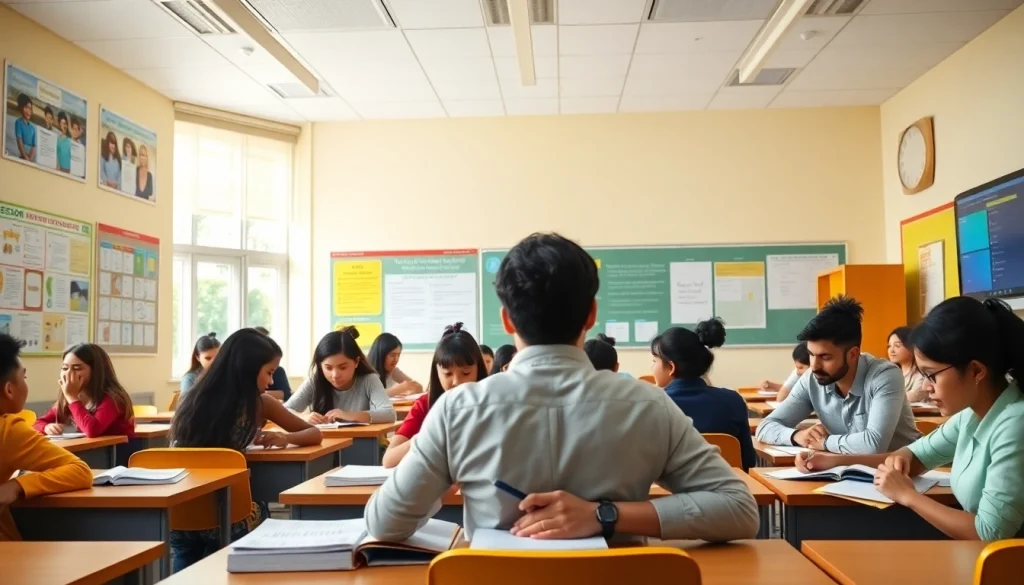
Formal education occurs in structured settings such as schools, colleges, and universities. It follows a fixed curriculum and is often regulated by governmental bodies. Key features include:
- Standardized Curriculum: A defined set of knowledge and skills to be acquired at various stages.
- Certification: Formal recognition of accomplishments through diplomas and degrees.
- Assessments: Regular examinations to measure student progress and understanding.
Informal Education
Informal education refers to the learning that occurs outside these structured environments. This type of education is more flexible and can happen anywhere, providing valuable life skills and knowledge. Characteristics include:
- Non-structured Learning: Learning can occur in diverse settings, such as at home, in community groups, or through online platforms.
- Experiential Learning: Emphasis on practical experience, critical for personal development and skill acquisition.
- No Formal Assessments: Learning is typically self-directed, with no formal certifications required.
Current Trends Shaping Education
As we enter the digital age, the landscape of education is shifting dramatically. Several trends are emerging that redefine traditional educational paradigms.
Embracing Technology in Education
The integration of technology into education has revolutionized teaching and learning methods. With the advent of digital tools, educators are harnessing technology to enhance educational experiences. Key elements include:
- Online Learning Platforms: These platforms provide flexible options for students and access to a wealth of resources that traditional classrooms may not offer.
- Interactive Learning: Technologies such as virtual reality (VR) and augmented reality (AR) create immersive learning experiences, making complex concepts easier to understand.
- Data-Driven Insights: Educators can analyze data to inform instruction and tailor learning experiences to individual student needs.
Personalized Learning Approaches
Personalized learning emphasizes the unique needs and learning styles of each student. Key strategies include:
- Adaptive Learning Technology: These technologies adjust content and assessments based on the student’s performance, ensuring that no learner is left behind.
- Student-Driven Learning: Learners have the autonomy to pursue their interests and engage in self-directed projects, fostering deeper engagement and motivation.
- Continuous Feedback: Ongoing assessments and constructive feedback help students understand their progress and areas needing improvement.
Holistic Development in Education
Education today increasingly recognizes the importance of holistic development, focusing not only on academic skills but also on emotional and social growth. This approach advocates for:
- Social-Emotional Learning (SEL): Integrating SEL into curricula helps students manage emotions, set goals, and build positive relationships.
- Life Skills Education: Schools are incorporating courses on financial literacy, critical thinking, and health awareness to prepare students for real-world challenges.
- Community Engagement: Collaborating with families and communities ensures that learning is relevant and culturally responsive, helping to create a supportive educational ecosystem.
Challenges Faced in the Education System
Despite progress, many challenges persist within the education system that require ongoing attention and innovation.
Access and Equity in Education
Access to high-quality education remains uneven across different regions and populations. Key issues include:
- Geographic Disparities: Rural and underserved urban communities often lack access to resources and qualified educators, creating significant educational gaps.
- Economic Barriers: Financial constraints can prevent families from affording adequate educational opportunities, such as tutoring or advanced courses.
- Policy Limitations: Inconsistent educational policies can hinder reform efforts, leaving many students unable to cultivate their full potential.
Improving Education Quality
Quality education transcends mere access—it must also be effective and adaptable. Areas of focus include:
- Teacher Training: Ongoing professional development ensures educators remain knowledgeable and effective in their teaching methods.
- Curriculum Relevance: Educational content must align with current societal needs and innovations, preparing students for a dynamic job market.
- Assessment Strategies: Shifting from standardized tests to comprehensive assessment models encourages deeper learning and understanding.
Addressing Educational Disparities
Combatting disparities requires a collaborative effort between educators, policymakers, and communities. Strategies include:
- Targeted Interventions: Programs designed to support at-risk populations can provide necessary resources and guidance, reducing achievement gaps.
- Community Partnerships: Collaborating with local organizations can enhance educational opportunities and provide additional support for students and families.
- Equity Training: Educators and administrators should engage in training that emphasizes the importance of diversity and inclusion in schools.
Best Practices for Effective Teaching
To enhance educational outcomes, educators must adopt best practices that foster a positive learning environment and stimulate engagement.
Engaging Learning Techniques
Active learning strategies encourage participation and enhance retention. Techniques include:
- Collaborative Learning: Group activities promote teamwork and peer learning, allowing students to tackle challenges together.
- Project-Based Learning: Real-world projects help students apply knowledge in practical situations, encouraging critical thinking and problem-solving.
- Gamification: Incorporating game elements into lessons can increase motivation and make learning fun and interactive.
Assessment and Feedback Strategies
Effective assessment is crucial for measuring student progress and adapting teaching methods. Best practices include:
- Formative Assessments: Regular quizzes and reflections allow educators to gauge understanding and adjust instruction accordingly.
- Peer Assessments: Encouraging students to evaluate each other’s work fosters a sense of responsibility and critical evaluation skills.
- Constructive Feedback: Providing specific guidance helps students recognize their strengths and areas for improvement.
Fostering Critical Thinking Skills
Critical thinking is essential for navigating complexity in the modern world. Approaches to nurture these skills include:
- Inquiry-Based Learning: Encouraging students to ask questions and seek answers promotes curiosity and analytical thinking.
- Debate and Discussion: Structured debates on relevant issues develop argumentation skills and the ability to consider multiple perspectives.
- Problem-Solving Activities: Engaging students in real-life scenarios reinforces decision-making processes and critical analysis.
Measuring Success in Education
As education continues to evolve, so too must the methods used to evaluate success. Recognizing the multifaceted nature of educational achievement is crucial.
Key Performance Indicators
Establishing clear performance indicators is essential for assessing educational success. Key metrics include:
- Graduation Rates: Tracking the percentage of students who complete their education provides insight into overall success.
- Standardized Test Scores: While not the sole indicator, test scores can offer a snapshot of academic achievement across cohorts.
- Post-Graduation Outcomes: Monitoring students’ employment rates, college enrollment, and career paths informs the effectiveness of educational programs.
Evaluating Student Outcomes
Beyond quantitative measures, qualitative evaluations are critical. Techniques for assessing outcomes include:
- Student Surveys: Gathering student feedback on their educational experiences can highlight strengths and areas for improvement.
- Portfolio Assessment: Maintaining portfolios showcases students’ work over time, providing a holistic view of their learning journey.
- Parent and Community Feedback: Involving families in educational assessments can lead to valuable insights into student development.
Continuous Improvement in Education Systems
Education is an ever-evolving field that requires ongoing evaluation and adaptation. Strategies for continuous improvement include:
- Professional Development: Ongoing training and support for educators foster an environment of growth and innovation.
- Research and Development: Supporting educational research leads to evidence-based practices that can enhance teaching and learning.
- Stakeholder Engagement: Involving educators, students, families, and the community in decision-making processes promotes a collaborative approach to educational reform.
In conclusion, the landscape of education is changing rapidly as new technologies, methodologies, and understandings emerge. By addressing current challenges, embracing innovative practices, and fostering an environment of continuous improvement, we can create a more equitable, effective, and engaging educational experience for all learners.