
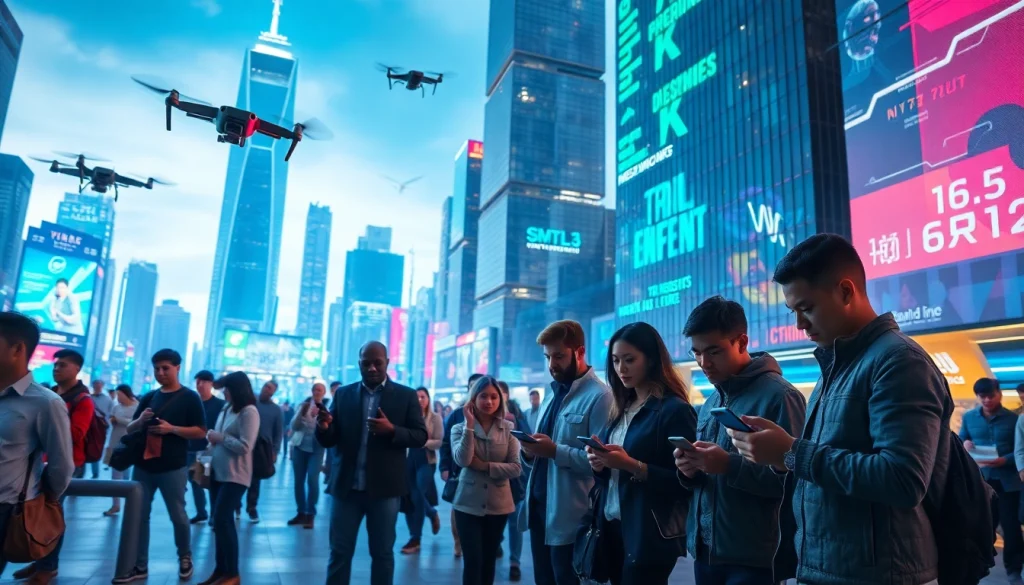
The Evolution of Technology
Throughout history, technology has played a pivotal role in shaping human civilization. The continuous development of tools and methods has propelled societies forward, making life easier, safer, and more connected. The Technology landscape is vast, encompassing everything from basic tools to advanced digital systems. This article delves into the remarkable evolution of technology, its various types, the accompanying challenges, future trends, and how we can measure its impact in our lives.
Historical Milestones in Technology
The journey of technology can be traced back to the Stone Age, where the first tools were created by our ancestors. As societies evolved, so did their technological capabilities. Some key milestones include:
- The Wheel (circa 3500 BC): One of the earliest engineering feats, the wheel made transportation and trade more efficient.
- Printing Press (1440 AD): Johannes Gutenberg’s invention revolutionized the way information was disseminated, making literature accessible to the masses.
- Steam Engine (18th Century): This innovation marked the beginning of the Industrial Revolution, allowing for mechanized production and the birth of factories.
- Internet (late 20th Century): The advent of the internet transformed the way people communicate, shop, and access information, creating a global village.
- Smartphones (21st Century): These devices have combined multiple functionalities, putting powerful computing technology in the palms of our hands.
Key Innovations Shaping Modern Technology
Today’s technological landscape is characterized by rapid innovation. Key advancements include:
- Artificial Intelligence (AI): Systems that can learn and adapt, enabling automation and enhanced decision-making processes in various industries.
- Blockchain Technology: This decentralized ledger system is redefining trust and transparency across sectors, particularly in finance and data management.
- 5G Connectivity: The next generation of mobile networks, offering faster data speeds and improved connectivity for IoT devices.
- Augmented Reality (AR) and Virtual Reality (VR): These technologies are creating immersive experiences in sectors such as gaming, education, and therapy.
The Impact of Technology on Daily Life
Technology has profoundly impacted how we live, work, and interact. From smart homes equipped with IoT devices to telehealth services that allow virtual consultations, technology enhances convenience and efficiency. Moreover, it influences social dynamics by connecting individuals globally, leading to a more interconnected world. However, this interconnectivity comes with its own set of challenges, which we will explore in the next section.
Types of Technology and Their Applications
Information Technology: A Deep Dive
Information Technology (IT) encompasses the use of computer systems, software, and networks for processing and distributing data. Its applications are vast and include:
- Data Management: Effective data storage and retrieval systems are crucial for businesses to analyze trends and make informed decisions.
- Cloud Computing: Offering scalability and flexibility, cloud solutions enable companies to access resources without heavy investments in physical infrastructure.
- Enterprise Resource Planning (ERP): Integrating various business processes into a unified system enhances efficiency and collaboration.
Communication Technology: Enhancing Connectivity
Communication technology refers to the tools and platforms that facilitate information exchange. These include:
- Email and Instant Messaging: Revolutionizing communication, making interactions almost instantaneous regardless of geographic location.
- Video Conferencing: Tools such as Zoom and Microsoft Teams have become essential for remote work, breaking down barriers to collaboration.
- Social Media: Platforms like Facebook, Twitter, and LinkedIn play a significant role in networking and information sharing.
Biotechnology and Its Role in Health
Biotechnology blends biology with technology, and it has significant implications for healthcare. This field is responsible for:
- Genetic Engineering: Allowing scientists to modify organisms for better yields in pharmaceuticals and agriculture.
- Regenerative Medicine: Utilizing stem cells to restore damaged tissues and organs.
- Personalized Medicine: Tailoring medical treatments to individual genetic profiles, enhancing efficacy and reducing side effects.
Challenges Associated with Technology
Cybersecurity Threats in a Digital World
As technology advances, so do the tactics used by cybercriminals. The increasing reliance on digital systems has led to a rise in cyber threats such as malware, ransomware, and phishing attacks. Organizations must invest in robust cybersecurity protocols and continuously update them to safeguard sensitive information.
The Ethical Implications of Emerging Technology
Emerging technologies often raise ethical concerns. For instance, AI algorithms can perpetuate biases if not designed carefully. Moreover, the use of surveillance technology poses questions about privacy and individual rights. It is crucial for technologists and policymakers to engage in ethical discussions to guide responsible development.
How Technology Affects Mental Health
The pervasive nature of technology can significantly impact mental well-being. Studies suggest that excessive screen time is linked to increased anxiety and depression, especially among younger populations. Encouraging digital wellness practices can help mitigate these adverse effects.
The Future of Technology
Trends to Watch in the Technology Sector
As we look ahead, several trends are poised to redefine the technological landscape:
- Artificial Intelligence and Machine Learning: Continued advancements are expected to enhance automation and analytics in business processes.
- Internet of Things (IoT): The growth of IoT devices will further connect our everyday objects, leading to smarter homes and cities.
- Quantum Computing: This emerging field promises to solve complex problems beyond the capabilities of traditional computers.
Predictions for the Next Decade of Technology
Experts predict that within the next decade, technology will integrate even deeper into our lives. Innovations that seem like science fiction today may become commonplace. Industries will be expected to transform through digitalization, with a greater emphasis on sustainability and ethical practices.
Preparing for Technology Integration in Every Industry
To embrace future technology, businesses must prepare for seamless integration into their operations. This includes investing in training for employees, ensuring they possess the necessary skills to leverage new technologies. Additionally, adopting a culture of innovation will foster a proactive approach to embrace change.
Measuring the Impact of Technology
Key Performance Indicators for Technological Success
To assess the impact of technology, organizations must establish clear Key Performance Indicators (KPIs) aligned with their goals. Common KPIs include:
- Productivity Metrics: Evaluating workforce efficiency post-technology integration.
- Customer Satisfaction Scores: Monitoring customer feedback to gauge technology’s impact on user experience.
- Return on Investment (ROI): Calculating the financial benefits gained from technology against its costs.
Case Studies: Successful Technology Implementations
Examining successful technology implementations can provide insights and best practices. For instance, companies that adopted cloud solutions often report improved collaboration and reduced operational costs. Sharing these case studies within industries can inspire adoption and innovation.
Feedback and Adaptation in Technology Strategy
Continuous feedback loops are essential for technology strategies to remain effective. Organizations should regularly solicit input from users and stakeholders to identify areas for improvement. Adapting technology strategies based on feedback helps ensure that the tools being used align with evolving business needs and user expectations.