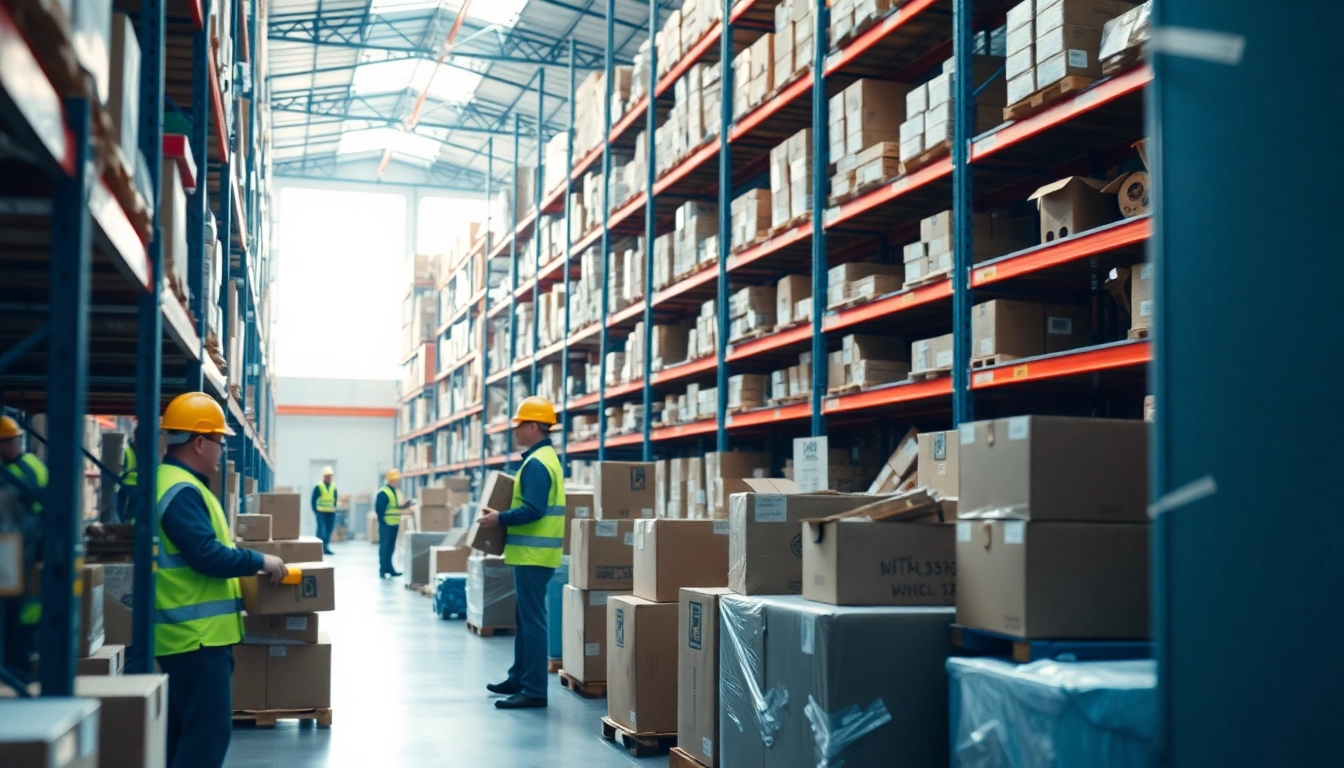
What is Logistics? An In-Depth Definition
Logistics is a critical component of supply chain management, encompassing the planning, implementation, and coordination of the efficient flow of goods, services, and information from the point of origin to the final destination. It is not limited to transportation; rather, it integrates various elements including warehousing, inventory management, order fulfillment, and customer service. As businesses strive to enhance operational efficiency and meet consumer demands, a well-executed logistics strategy becomes imperative. In fact, understanding the intricacies of logistics can provide companies with a competitive edge, ensuring they deliver products timely and effectively.
The Importance of Logistics in Supply Chain Management
Logistics operates at the intersection of customer satisfaction and business efficiency, playing a vital role in supply chain management. Its significance is underscored by the following key points:
- Enhancing Customer Satisfaction: Efficient logistics ensures that products are delivered to customers in a timely and accurate manner, which directly impacts customer satisfaction and loyalty.
- Cost Reduction: By optimizing routes, managing inventory levels, and employing strategic sourcing, companies can significantly reduce operational costs.
- Improved Operational Efficiency: Streamlined logistics processes lead to faster order fulfillment and better inventory turnover, enhancing overall operational efficiency.
- Competitive Advantage: Businesses that prioritize effective logistics gain a competitive edge by meeting customer needs faster and more reliably than their competitors.
Key Terms and Concepts in Logistics
To navigate the logistics landscape effectively, several key terms and concepts must be understood:
- Supply Chain: The entire network from raw material suppliers to manufacturers, warehouses, distributors, and retailers.
- Warehouse Management: The process of overseeing storage, movement, and processing of inventory within a warehouse.
- Inventory Management: The supervision of non-capitalized assets, or inventory, and stock items to ensure an adequate supply without overstocking.
- Transportation Management: The planning, execution, and optimization of the physical movement of goods, encompassing various modes of transport.
The Evolution of Logistics Over Time
Logistics is not a static field; it has evolved significantly over the years, influenced by technological advancements, globalization, and changing consumer behaviors. Historically rooted in military applications, logistics has transformed into a multifaceted discipline encompassing various industries:
- Military Origins: The term "logistics" originated in military contexts, referring to the movement, supply, and maintenance of troops and equipment.
- Industrial Revolution: The advent of the Industrial Revolution brought about mass production, necessitating more sophisticated logistics systems to distribute products efficiently.
- Globalization: As markets expanded internationally, companies had to develop logistics capabilities to navigate complex shipping regulations and supply chain risks.
- Digital Transformation: The rise of e-commerce and digital technologies has further transformed logistics, fostering data-driven decision-making and automation.
Types of Logistics: Overview and Applications
Understanding the various types of logistics is essential for businesses looking to implement effective strategies tailored to specific operational needs. The major types include:
Inbound vs. Outbound Logistics
Inbound logistics refers to the transportation and storage of goods coming into a business, while outbound logistics focuses on the distribution of finished products to customers. Key considerations include:
- Inbound Logistics: This includes activities such as sourcing, receiving, warehousing, and inventory management. Effective inbound logistics streamline the supply chain and ensure that raw materials are available for production.
- Outbound Logistics: This involves order processing, packaging, and shipping. Companies must efficiently manage these activities to minimize delivery times and costs, ultimately impacting customer satisfaction.
Third-Party Logistics: What You Need to Know
Third-party logistics (3PL) providers offer comprehensive logistics services encompassing transportation, warehousing, and distribution. Businesses often partner with 3PL providers to:
- Enhance logistical capabilities without investing in infrastructure.
- Leverage the expertise and technology of experienced logistics providers.
- Focus on core business activities while outsourcing logistics operations.
Utilizing 3PL services can lead to cost savings, increased efficiency, and improved service levels.
Integrated Logistics Solutions for Modern Businesses
Integrated logistics solutions combine multiple logistics services into one cohesive strategy, enhancing operational versatility and scalability:
- End-to-End Visibility: Integrated logistics enable real-time tracking and management of the entire supply chain, allowing businesses to respond swiftly to disruptions.
- Seamless Collaboration: Enhanced collaboration between suppliers, manufacturers, and distributors fosters better communication, leading to improved decision-making.
- Agility and Scalability: Companies can quickly adapt to changing market conditions and scale operations without compromising service quality.
The Role of Technology in Logistics Management
Technology has revolutionized logistics management, offering innovative solutions that enhance efficiency, visibility, and customer satisfaction. Key technological advancements include:
Automation and AI in Logistics Operations
Automation and artificial intelligence (AI) play pivotal roles in streamlining logistics operations, resulting in significant cost and time savings:
- Automated Warehousing: Robotics and automated systems assist in picking and packing goods, reducing labor costs and errors.
- Predictive Analytics: AI-driven analytics provide valuable insights into demand forecasting, inventory management, and route optimization.
- Self-Driving Vehicles: The incorporation of autonomous vehicles promises to reshape transportation logistics, making deliveries faster and more efficient.
Impact of Data Analytics on Logistics Efficiency
Data analytics is at the forefront of logistics, enabling businesses to make informed decisions based on real-time data:
- Performance Metrics: Companies can track key performance indicators (KPIs) to assess the efficiency of logistics operations and identify areas for improvement.
- Supply Chain Optimization: Analyzing data helps identify bottlenecks and inefficiencies, allowing for proactive measures to enhance productivity.
- Customer Insights: Understanding customer preferences through data analysis enables businesses to tailor services and improve satisfaction.
Blockchain Technology in Supply Chain Logistics
Blockchain technology offers a transparent and secure method for managing logistics operations:
- Enhanced Transparency: Blockchain provides an immutable record of all transactions, enhancing trust and accountability between supply chain partners.
- Improved Traceability: Companies can trace products through the supply chain, ensuring compliance and safety while reducing counterfeit risks.
- Smart Contracts: Automated contracts executed through blockchain can streamline payments and compliance processes, reducing delays.
Challenges Facing the Logistics Industry Today
Despite its advancements, the logistics industry faces several challenges that can hinder operational efficiency:
Supply Chain Disruptions: Causes and Solutions
Supply chain disruptions can stem from natural disasters, geopolitical tensions, or unexpected demand spikes. Companies must adopt strategies to mitigate these risks:
- Diversifying Suppliers: Sourcing from multiple suppliers reduces reliance on a single source and minimizes disruptions.
- Establishing Contingency Plans: Developing contingency plans can help businesses quickly adapt to unforeseen disruptions.
- Investing in Technology: Technology-driven solutions enable real-time monitoring and faster response to disruptions.
Environmental Concerns and Sustainable Logistics Practices
Environmental sustainability is a growing concern within logistics. Companies can adopt sustainable practices to mitigate their ecological footprint:
- Green Logistics: Implementing eco-friendly transportation methods, such as electric vehicles, reduces emissions and fosters sustainability.
- Waste Reduction: Streamlining packaging and utilizing recyclable materials can minimize waste generated during logistics operations.
- Carbon Footprint Measurement: Companies should measure and track their carbon footprint to identify areas for reduction and improvement.
Labor Shortages and Workforce Management in Logistics
The logistics sector has been grappling with labor shortages, a challenge that can affect efficiency and service quality. Potential solutions include:
- Attracting Talent: Companies can implement competitive salaries, benefits, and growth opportunities to attract and retain talent.
- Training Programs: Investing in training programs for new employees can enhance skills and efficiency.
- Flexible Working Options: Providing flexible working conditions can encourage more individuals to join and remain in the logistics workforce.
Best Practices for Optimizing Logistics Operations
To thrive in a competitive logistics landscape, businesses must adopt best practices that optimize their operations. Here are some effective strategies:
Streamlining Processes through Lean Logistics
Lean logistics focuses on minimizing waste and maximizing value. Key practices include:
- Value Stream Mapping: Visualizing the logistics processes helps identify inefficiencies and areas for improvement.
- Continuous Improvement: Emphasizing a culture of continuous improvement encourages employees to share ideas and implement solutions.
- Six Sigma Techniques: Applying Six Sigma methodologies can enhance process quality and reduce defects in logistics operations.
Utilizing Key Performance Indicators (KPIs) for Success
KPIs are essential for measuring logistics performance and ensuring alignment with business objectives. Common KPIs include:
- Order Fulfillment Rate: Measures the percentage of customer orders fulfilled on time.
- Transportation Cost per Unit: Evaluates the cost-effectiveness of transportation across the supply chain.
- Inventory Turnover: Indicates how quickly inventory is sold and replaced over a specific period.
Case Studies: Successful Logistics Strategies in Action
Examining successful logistics strategies from leading companies can provide valuable insights. For instance:
- Amazon: Implemented advanced robotics in fulfillment centers, drastically reducing processing times and enhancing accuracy.
- Zara: Utilizes a quick-response model in fashion retail to center logistics around rapidly changing consumer trends.
- DHL: Adopted significant sustainability initiatives, integrating eco-friendly practices while maintaining service levels.