
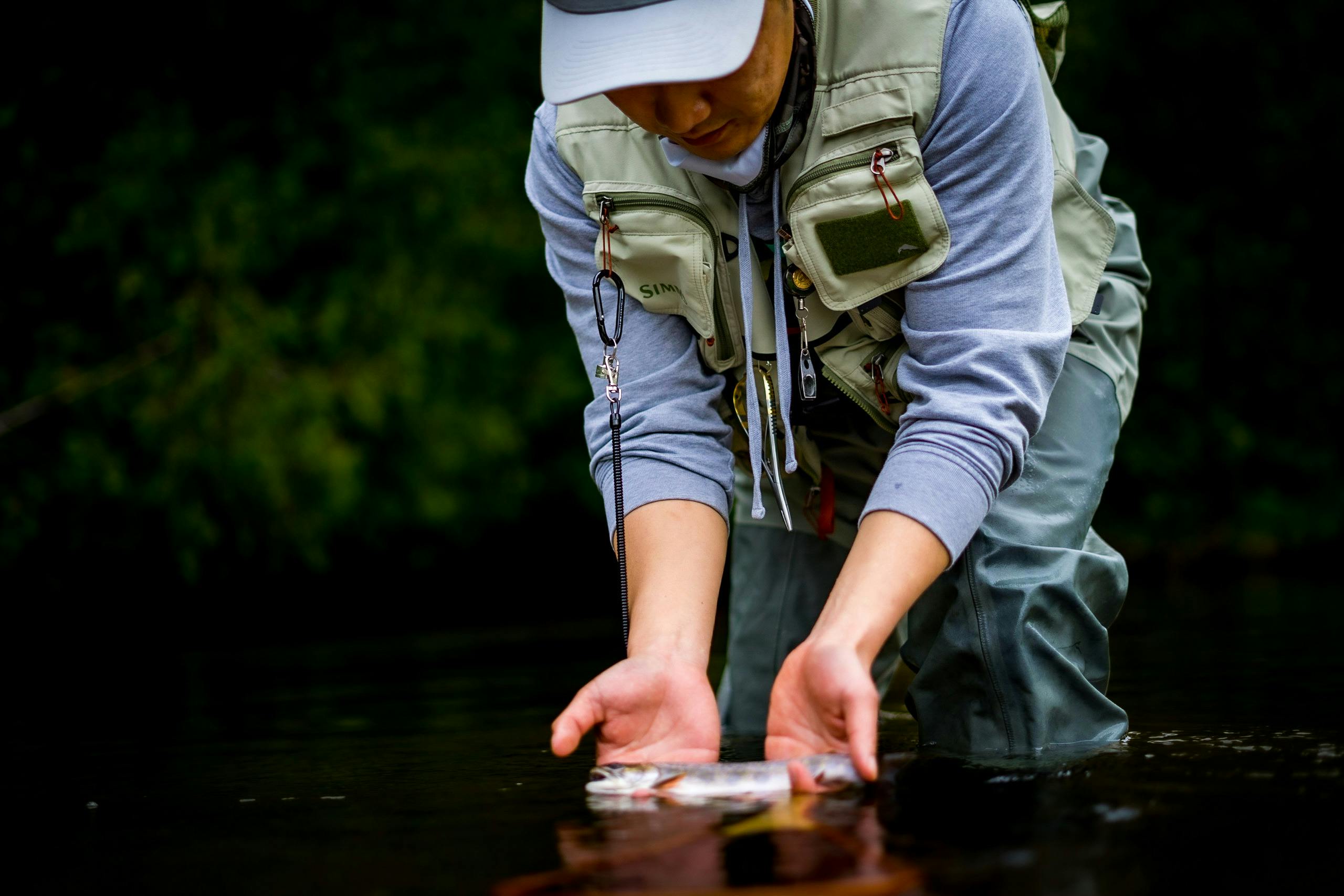
Matching your Fly fishing line to the water you fish is one of the most crucial steps to improve your success on the water. A line that complements the environment allows for better casting, precise presentation, and improved control over your fly. Many anglers overlook this detail, yet selecting the right fly fishing line for the specific conditions you face can dramatically enhance your overall fishing experience. This guide will walk you through practical strategies to match your line to various waters and situations, helping you become a more confident and effective angler.
Understanding Fly Fishing Line Basics
Before diving into specific water types, it’s essential to understand the different types of fly fishing lines and their primary functions.
Types of Fly Fishing Lines
- Floating LinesFloating lines remain on the surface of the water, making them ideal for dry fly fishing and surface presentations. They allow for delicate presentations on the water, helping avoid spooking fish.
- Sinking LinesSinking lines are designed to take your fly deeper into the water column. They come in various sink rates, which can be matched to water depth and fish behavior.
- Sink-Tip LinesSink-tip lines feature a floating body with a sinking tip, providing versatility for fishing deeper waters while maintaining surface control.
Line Weight and Its Importance
Fly line weight is crucial for casting efficiency. A mismatch between your rod and line weight can result in poor casting performance. Most fly rods are rated for a specific line weight, and staying within this range ensures optimal performance and reduces fatigue during long fishing sessions.
Matching Fly Fishing Line to Rivers and Streams
Rivers and streams present unique challenges due to current, obstacles, and varying water depths. Choosing the right fly fishing line for these waters can improve your precision and increase your catch rate.
Small Streams
For small, shallow streams, a lightweight floating fly fishing line is typically the best choice. It allows delicate presentations and avoids disturbing wary fish in clear water. Shorter casts and accurate placement are more critical than long-distance casting.
Medium to Large Rivers
In larger rivers, line weight may need to be adjusted depending on the current and depth. Medium-weight floating or sink-tip lines work well here, as they provide the balance between presentation and the ability to reach deeper pools. Consider using a line with a subtle color to minimize spooking fish.
Fast-Flowing Rivers
Fast currents require a heavier line or a fast-sinking line to maintain control of your fly. These lines help counteract drag and keep your fly at the desired depth for longer periods, increasing your chances of a strike.
Matching Fly Fishing Line to Lakes and Still Waters
Still waters like lakes and ponds demand a different approach compared to rivers. Presentation, depth control, and visibility become the primary factors in selecting the right fly fishing line.
Shallow Lakes
For shallow lakes, a floating line is typically sufficient. This allows for precise dry fly presentations and easy manipulation of the fly. Using a brightly colored line can also help you track subtle strikes on calm water.
Deep Lakes
Fishing deeper waters requires sinking or sink-tip fly fishing lines. These lines allow your fly to reach the target depth quickly, making them ideal for trout or bass that are suspended deeper in the water column. Matching your line’s sink rate to the water depth ensures optimal fly presentation.
Weed-Filled or Obstructed Lakes
In lakes with heavy vegetation, using a line with a subtle sink rate and a floating section can help you maneuver around weeds while still reaching deeper fish. This hybrid approach prevents snags while maintaining effective depth control.
Fly Fishing Line Considerations for Saltwater
Saltwater fishing adds another layer of complexity due to larger fish, stronger currents, and varied water conditions.
Flats and Shallow Saltwater
For shallow flats, a floating fly fishing line is ideal for sight fishing. These lines allow you to make long, accurate casts without disturbing fish in clear water.
Deeper Saltwater Flats or Channels
In deeper flats or channels, a sink-tip line is advantageous. The floating section allows for easy mending and control, while the sinking tip ensures your fly reaches the feeding zone of saltwater species like bonefish and permit.
Heavy Cover and Windy Conditions
In windy or rough saltwater conditions, choosing a heavier weight line ensures better casting control. A line with a low-stretch core can also improve hook-setting power and reduce line slack.
Additional Tips for Choosing the Right Fly Fishing Line
Match the Line to Your Fly
The size and weight of your fly impact the line selection. Heavier flies require a heavier line to cast effectively, while lighter flies benefit from a delicate, lighter line to avoid drag and achieve a natural presentation.
Consider Water Clarity
Clear water calls for more subtle, neutral-colored lines, whereas murky or turbulent water allows for brighter lines that are easier to see. This small adjustment can make a significant difference in fishing effectiveness.
Think About Casting Distance
Long-distance casting often benefits from lines with a tapered design that allows for better energy transfer and accuracy. For short, precise casts, a more uniform line may be preferred.
Maintain Your Line
A clean and well-maintained fly fishing line performs better in all conditions. Dirt, algae, and water deposits can reduce casting distance and control, so regularly cleaning and conditioning your line is essential.
Conclusion
Choosing the right fly fishing line for the water you fish is a combination of understanding line types, water conditions, and fish behavior. Rivers, lakes, and saltwater environments each require a tailored approach to ensure precise presentation and optimal control. By matching your fly fishing line to specific waters, considering line weight, sink rates, and presentation needs, you enhance your chances of a successful and enjoyable fishing experience. Mastering this essential skill will not only improve your catch rate but also make your time on the water more satisfying.