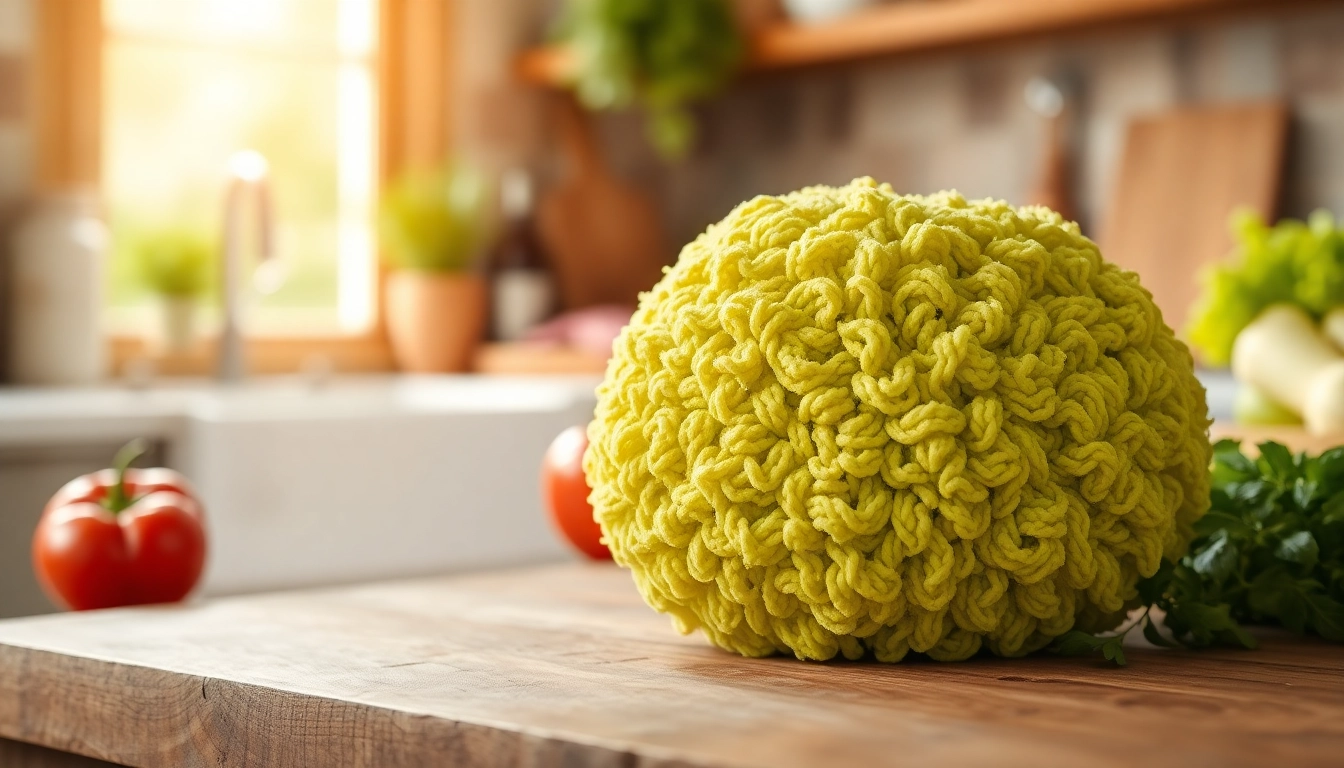
Understanding Kitchen Loofah Benefits
Kitchen loofahs are a growing popular choice for those looking to enhance their cleaning routine sustainably. These natural sponges are derived from the fibrous inner parts of gourd plants, offering an effective alternative to synthetic sponges. This article explores the numerous benefits of kitchen loofahs, making them a valuable addition to any household. From health advantages to environmental impacts, the kitchen loofah benefits are extensive.
What is a Kitchen Loofah?
A kitchen loofah is a natural sponge made from the dried fruit of the loofah plant, scientifically known as Luffa aegyptiaca. When harvested and processed correctly, the fibrous material of the fruit creates a robust, biodegradable sponge that can be used for household cleaning and personal care. Unlike synthetic sponges, kitchen loofahs are free of chemicals and can decompose safely in compost, making them an eco-friendly option for cleaning routines.
How Kitchen Loofah Benefits Your Health
Using kitchen loofahs can provide remarkable health benefits. These natural sponges are gentle yet effective at exfoliating the skin, helping to remove dead skin cells and promote circulation. Regular use can lead to improved skin health, reducing the risk of clogged pores and breakouts. In the kitchen, loofahs are less likely to harbor harmful bacteria compared to synthetic sponges, ensuring a more sanitary cleaning tool when washing dishes and surfaces.
Environmental Impact of Kitchen Loofahs
The environmental benefits of kitchen loofahs cannot be overstated. They are biodegradable and compostable, making them a sustainable choice for environmentally-conscious consumers. When compared to plastic sponges, which can take centuries to decompose, kitchen loofahs break down easily, reducing landfill waste. Additionally, loofah cultivation often requires less water and pesticide use than synthetic alternatives, making it a greener option for households.
Using Kitchen Loofah for Cleaning
Best Practices for Kitchen Loofah Usage
To maximize the effectiveness of a kitchen loofah, it is essential to use it properly. Start by soaking the loofah in warm water for a few minutes to soften the fibers. This will enhance its cleaning ability and make it gentler on surfaces. Use it in conjunction with natural cleaning agents, such as vinegar or baking soda, to boost its cleaning power without introducing harsh chemicals into your home.
Comparing Kitchen Loofahs to Other Cleaning Tools
When comparing kitchen loofahs to traditional cleaning tools like sponges and scrubbers, several advantages emerge. Kitchen loofahs are more durable, often lasting longer than synthetic sponges. They are naturally antibacterial, reducing the chances of bacterial buildup. Unlike scouring pads, they are less abrasive, making them safe for delicate surfaces while still effectively removing grime and food particles.
Tips for Maintaining Kitchen Loofahs
Maintenance of kitchen loofahs is crucial to ensure their longevity and hygiene. After each use, rinse the loofah thoroughly to remove food particles and soap residue. Allow it to dry completely to prevent mold growth. To clean it deeply, consider boiling it for a few minutes or placing it in the dishwasher occasionally. Regular care will keep your loofah functional and safe for use in your kitchen.
Culinary Uses of Kitchen Loofah
Incorporating Loofah into Your Cooking
Besides their cleaning applications, kitchen loofahs can also be consumed as a vegetable. When harvested young and tender, loofahs have a mild, refreshing flavor that can be added to stir-fries, soups, and even smoothies. They are often compared to zucchini or cucumber in taste and texture, making them a versatile ingredient in various dishes.
Creative Recipes Featuring Kitchen Loofah
Here are a couple of creative recipes that highlight the culinary potential of kitchen loofah:
- Stir-Fried Loofah with Garlic: Slice young loofah into thin rounds and stir-fry with garlic and soy sauce for a quick healthful dish.
- Loofah Soup: Cook diced loofah in vegetable broth, add herbs, and serve for a nutritious and flavorful soup.
Health Benefits of Eating Loofah
In addition to their culinary uses, loofahs are packed with nutrients. They contain vitamins A and C, supporting immunity and skin health. Their high water content makes them hydrating while providing dietary fiber, aiding in digestion and promoting gut health. Incorporating loofah into your diet can also help maintain a healthy weight by supporting a low-calorie, nutrient-dense eating pattern.
DIY Kitchen Loofah Projects
Crafting Your Own Kitchen Loofah Cleaners
Creating your own kitchen loofah cleaners is an excellent way to combine sustainability and craftsmanship. Start with dried loofah and cut it into smaller pieces. Combine it with natural cleaning solutions, such as diluted vinegar or essential oils, to create an effective cleaning scrub. This not only caters to your cleaning needs but also minimizes waste by repurposing loofahs.
Upcycling Kitchen Loofah for Home Decor
Loofahs can be transformed into unique home decor items. Consider dyeing them with natural colorants and incorporating them into floral arrangements or crafts. They can be strung together to create natural garlands, adding texture and eco-friendly elements to your home decor. This creative use ensures that you get the most out of your kitchen loofahs beyond their traditional purposes.
Integrating Loofah into Natural Cleaning Products
Integrating loofah into natural cleaning products enhances their effectiveness. Blend dried loofah pieces into homemade cleaning scrubs or add them to liquid soaps for added texture and scrubbing power. Their natural abrasiveness aids in cleaning without causing damage to surfaces, making them ideal for environmentally safe cleaning solutions.
Frequently Asked Questions about Kitchen Loofah Benefits
What are the primary kitchen loofah benefits?
Kitchen loofahs are eco-friendly, biodegradable, and have natural antibacterial properties. They cleanse effectively while minimizing cross-contamination, making them a sustainable choice for kitchens.
Are kitchen loofahs safe for all surfaces?
Yes, kitchen loofahs are generally safe for most surfaces. However, it's essential to avoid using them on very delicate surfaces to prevent scratching.
How should kitchen loofahs be cleaned?
To clean kitchen loofahs, rinse them thoroughly after each use, allow them to dry completely, and periodically sanitize by boiling or using a dishwasher.
Can kitchen loofah be composted?
Yes, kitchen loofahs are biodegradable and can be composted. Ensure they are free from any non-biodegradable materials before composting.
What nutritional benefits does loofah have?
Loofahs are nutritious, containing vitamins A and C, fiber, and hydration benefits. They support digestion and can contribute to maintaining a healthy body weight.