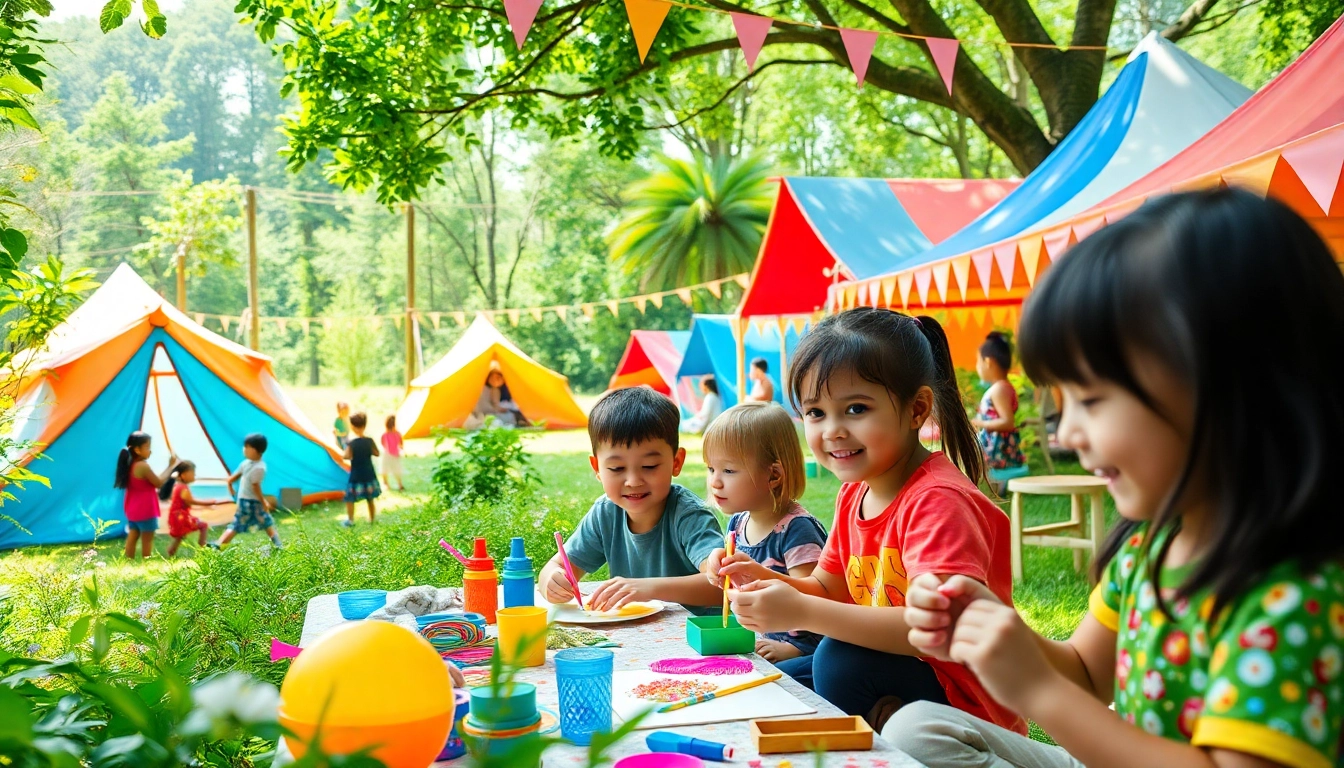
Understanding Holiday Camps
Definition and Overview of Holiday Camps
Holiday camps are organized programs designed for children during school breaks, including summer, winter, and other holidays. They offer a structured environment where kids can engage in various activities, build friendships, and learn new skills under the supervision of trained staff. Typically, these camps provide a mix of recreation, education, and adventure, tailored to the interests and age levels of the participants. Holiday camps are not limited to outdoor settings; they can also be found in community centers, schools, and dedicated campgrounds, making them widely accessible.
Benefits of Enrolling in Holiday Camps
Engaging in holiday camps offers numerous benefits. First and foremost, they provide a safe space for children to explore their interests and meet peers, fostering socialization. Additionally, these camps often emphasize skill development, encompassing everything from sports to arts and crafts, catering to a wide array of interests. Cognitive and emotional growth is another crucial benefit, as children learn to work in teams, build confidence, and face challenges in a supportive environment. Lastly, parents can enjoy peace of mind, knowing their children are occupied in a structured and enriching setting during school breaks.
Common Types of Holiday Camps
Holiday camps come in various formats, allowing parents to choose options that best align with their children's interests and needs. Some common types include:
- Sports Camps: Focused on athletic training, these camps allow kids to enhance their skills in specific sports such as soccer, basketball, swimming, and more.
- Arts Camps: These camps cultivate creativity through activities such as painting, music, dance, and theater.
- Adventure Camps: Often set in natural settings, adventure camps include hiking, rock climbing, zip-lining, and other outdoor activities.
- STEM Camps: Combining learning with fun, STEM camps focus on science, technology, engineering, and mathematics through hands-on projects and experiments.
- Day Camps: These camps allow children to participate in activities during the day, returning home in the evenings.
- Overnight Camps: Offering a more immersive experience, overnight camps provide accommodations and extended activities, promoting independence and life skills.
Activities Offered at Holiday Camps
Outdoor Activities and Adventures
One of the highlights of holiday camps is the array of outdoor activities offered. Campers can engage in hiking, kayaking, swimming, and team sports, benefiting from physical activity while nurturing their love for nature. These activities not only help improve physical fitness but also allow children to develop teamwork and leadership skills as they navigate challenges collectively.
Educational Workshops and Classes
Holiday camps often incorporate educational elements, providing workshops and classes that cover a broad spectrum of topics. From coding and robotics to financial literacy and environmental science, these programs enable children to expand their knowledge while enjoying hands-on experiences.
Creative Arts and Crafts
Creative expression is pivotal in holiday camps, with substantial time devoted to arts and crafts. Participants can explore various mediums such as painting, sculpting, or crafting, which not only inspires creativity but also enhances fine motor skills and emotional well-being. As kids create and collaborate on projects, they foster friendships and a sense of community.
Choosing the Right Holiday Camps
Factors to Consider When Selecting a Camp
When choosing a holiday camp for your child, consider several key factors to ensure a suitable match:
- Age Appropriateness: Camps should cater to your child’s age group, offering activities and social interactions suitable for their developmental stage.
- Location: Proximity to home is vital, especially for working parents. Look for camps that offer convenient drop-off and pick-up times.
- Staff Qualifications: Research the camp staff's qualifications, ensuring they are trained in safety, first aid, and child development.
- Activity Offerings: Evaluate the range of activities to ensure they align with your child's interests.
- Camp Philosophy: Some camps prioritize educational outcomes, while others focus more on physical activity or arts. Choose one that reflects your values.
How to Research Holiday Camps Effectively
When looking for the right holiday camp, thorough research is crucial. Start by gathering recommendations from other parents, consulting community boards, and exploring online resources. Websites that specialize in camp listings can provide valuable insights, including reviews and detailed descriptions of programs. Visiting potential camps in person can also offer a firsthand look at facilities and staff interactions with children.
Reviews and Recommendations
User reviews can be substantial in making informed decisions regarding holiday camps. Look for feedback on platforms that showcase parental experiences and child outcomes. Diverse perspectives can outline what to expect and highlight the strengths and weaknesses of each camp, helping to narrow down your options.
Planning for Your Child's Holiday Camp Experience
Preparing Your Child for Camp
Preparation is key to a successful camp experience. Discuss the upcoming adventure with your child, addressing any fears or questions they may have. Encouraging them to participate in the selection of activities can also boost excitement and ownership. Familiarize them with the camp schedule and routines to help them adjust smoothly.
What to Pack for Holiday Camps
Packing appropriately is crucial for a stress-free camp experience. Essentials typically include:
- Comfortable clothing suitable for various activities
- Swimwear and water shoes for aquatic activities
- A refillable water bottle to stay hydrated
- Sun protection items like hats and sunscreen
- Personal hygiene items and any necessary medications
Setting Expectations and Goals
As parents, it's beneficial to set clear expectations and goals for your child's camp experience. Discuss desired outcomes such as making new friends, learning specific skills, or trying new activities. This dialogue sets a positive tone, helping your child approach camp with enthusiasm and an open mind.
Frequently Asked Questions about Holiday Camps
How do I find suitable holiday camps nearby?
Start by searching online directories, engaging with local parent groups, or checking community centers for recommendations. Many camps have websites with detailed descriptions and reviews.
Are holiday camps safe for children?
Most holiday camps prioritize safety, adhering to regulations, conducting background checks on staff, and offering CPR training. Always inquire about the safety protocols in place.
What should I look for in a holiday camp program?
Consider the camp's philosophy, staff qualifications, program offerings, child-to-staff ratio, and safety measures. Ensure these align with your child's interests and your values.
How are holiday camps organized for different age groups?
Many camps structure programs based on age, creating activities and interactions that cater to different developmental levels, ensuring appropriate challenges and engagement.
Can I customize my child's experience at holiday camps?
Some camps offer customizable programs, allowing children to choose specific activities or sessions. Discuss these options with camp coordinators to tailor the experience to your child's interests.