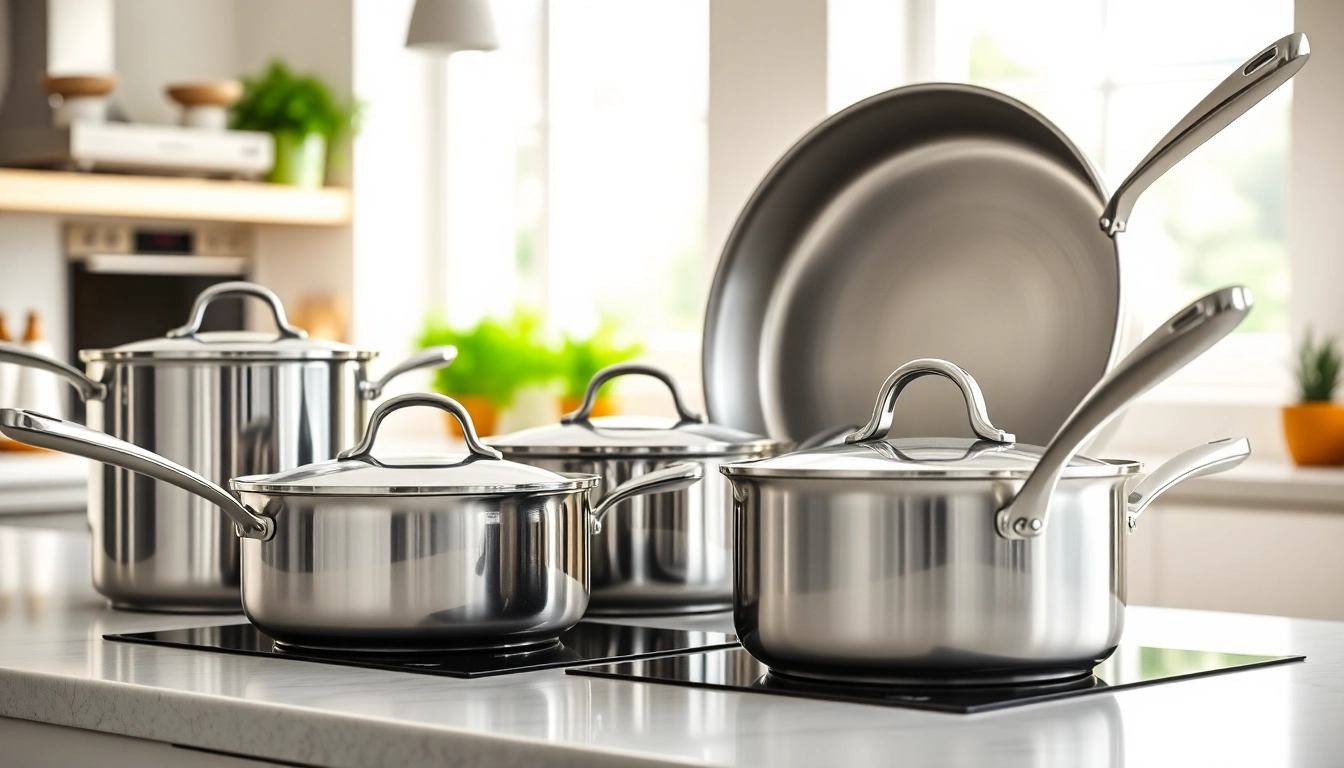
Understanding Induction Cookware
Induction cooking has surged in popularity, owing to its efficiency and speed. Yet, to truly harness the power of induction cooktops, it's crucial to understand what induction cookware is and how it functions. Whether you're upgrading your kitchen or simply curious, this guide will delve into what makes cookware induction-compatible and why it's advantageous for cooks in New Zealand and beyond. Explore the best cookware for induction NZ options available today.
What Makes Cookware Induction-Compatible?
Induction cookware is designed with magnetic properties. These types of pots and pans contain ferrous metals, which allow the induction cooktop to create an electromagnetic field that heats the cookware directly, rather than using an external heat source. This requires special materials; typically, induction-compatible cookware includes:
- Cast Iron: Heavily magnetic and retains heat well.
- Stainless Steel: Must include a magnetic base for induction compatibility.
- Enamel-coated Cookware: Often made from cast iron, these pieces have an enamel coating that is also induction compatible.
Benefits of Using Induction Cookware
The advantages of using induction cookware extend beyond its compatibility with induction cooktops. Some key benefits include:
- Efficiency: Induction cooking can be more energy-efficient by directly heating the cookware.
- Rapid Heating: Induction cookware can heat food faster due to direct heating.
- Safety: With less residual heat and no open flames, induction cooking reduces the risk of burns.
- Precise Temperature Control: Instant adjustments and fine tuning of heat levels provide better cooking results.
Common Myths About Induction Cooking
Despite its many advantages, induction cooking is often surrounded by misconceptions. Here are common myths debunked:
- Myth 1: Induction Cookware is Expensive: While some premium brands might be pricey, many affordable options exist.
- Myth 2: All Cookware is Compatible: Only cookware labeled as induction-compatible will work on induction hobs.
- Myth 3: Induction Cooking is Complicated: In reality, it’s one of the simplest cooking methods with straightforward controls.
Top Features of the Best Cookware for Induction NZ
Choosing the right cookware can significantly impact your cooking experience. When selecting the best cookware for induction NZ, consider the following features:
Material Considerations
The material of your cookware is fundamental. Opt for heavy gauge stainless steel or cast iron which offers durability and excellent heat retention. Non-stick surfaces can be a great option as well, providing easy food release.
Design and Shape Recommendations
Flat and smooth bottoms are ideal for efficient heat transfer. Cookware that fits snugly on the burner enhances performance. Additionally, proper shapes for pots, such as deep saucepans or wider frying pans, can aid in cooking different types of meals effectively.
Handle Types and Safety Features
Look for ergonomically designed handles that remain cool during cooking. Safety features like anti-slip grips and heat resistance ensure comfort and safety while handling hot cookware.
Best Cookware Options Available in NZ
When it comes to the best cookware for your induction stove, there’s a range of options tailored to every style and budget. Here are some standout categories to explore:
Stainless Steel Cookware Sets
Stainless steel is a favorite for many chefs due to its versatility and durability. A good stainless steel cookware set typically includes:
- Pots of various sizes for soups and stews
- Frying pans for searing and sautéing
- Stockpots for pasta or boiling
Such sets often come with encapsulated bases that provide better heat distribution, ensuring your food cooks evenly.
Non-Stick Induction Cookware
Non-stick cookware has its perks, especially for those who want to minimize the use of oils or simply enjoy easy cleanup. Look for high-quality non-stick coatings that withstand high temperatures and offer long-lasting durability.
Enamelled Cast Iron Options
Enamelled cast iron offers exceptional heat retention and distribution. It's great for slow cooking and roasting. The enamel coating prevents rusting and eases cleaning, making it a practical choice for home cooks.
Care and Maintenance Tips for Induction Cookware
Maintaining your induction cookware properly can extend its life and functionality. Here are essential care and maintenance tips:
Cleaning Your Cookware
Always allow your cookware to cool down before washing. Use warm, soapy water, and avoid abrasive cleaners which can damage the surface. For stubborn stains, baking soda or vinegar can work wonders without scratching.
Preventing Damage and Wear
Do not use metal utensils on non-stick surfaces, as they can scratch and ruin the coating. Additionally, avoid stacking cookware without protective barriers like lint-free cloth to prevent scratching.
Best Practices for Longevity
Store your cookware in a dry and clean area. Regularly inspect for any nicks or deformities that may affect cooking performance. Following manufacturer care instructions helps preserve the cookware's integrity.
FAQs About Induction Cookware
What is the best material for induction cookware?
The best materials are stainless steel and cast iron. Both are compatible, durable, and provide excellent heat retention.
Can you use regular pans on induction cooktops?
No, only cookware specifically labeled as induction-compatible will work, as it must contain magnetic materials.
How do I know if my cookware is induction-compatible?
Check for a symbol indicating induction compatibility on the base or use a magnet; if it sticks, it’s induction-ready.
What are the advantages of induction cooking?
Induction cooking provides faster heating, precise temperature control, increased safety, and energy efficiency.
How to care for induction cookware?
Clean with warm soapy water and avoid abrasive materials. Store safely to prevent scratching and follow specific care guidelines.