Understanding the Basics of Renovation
What is Renovation?
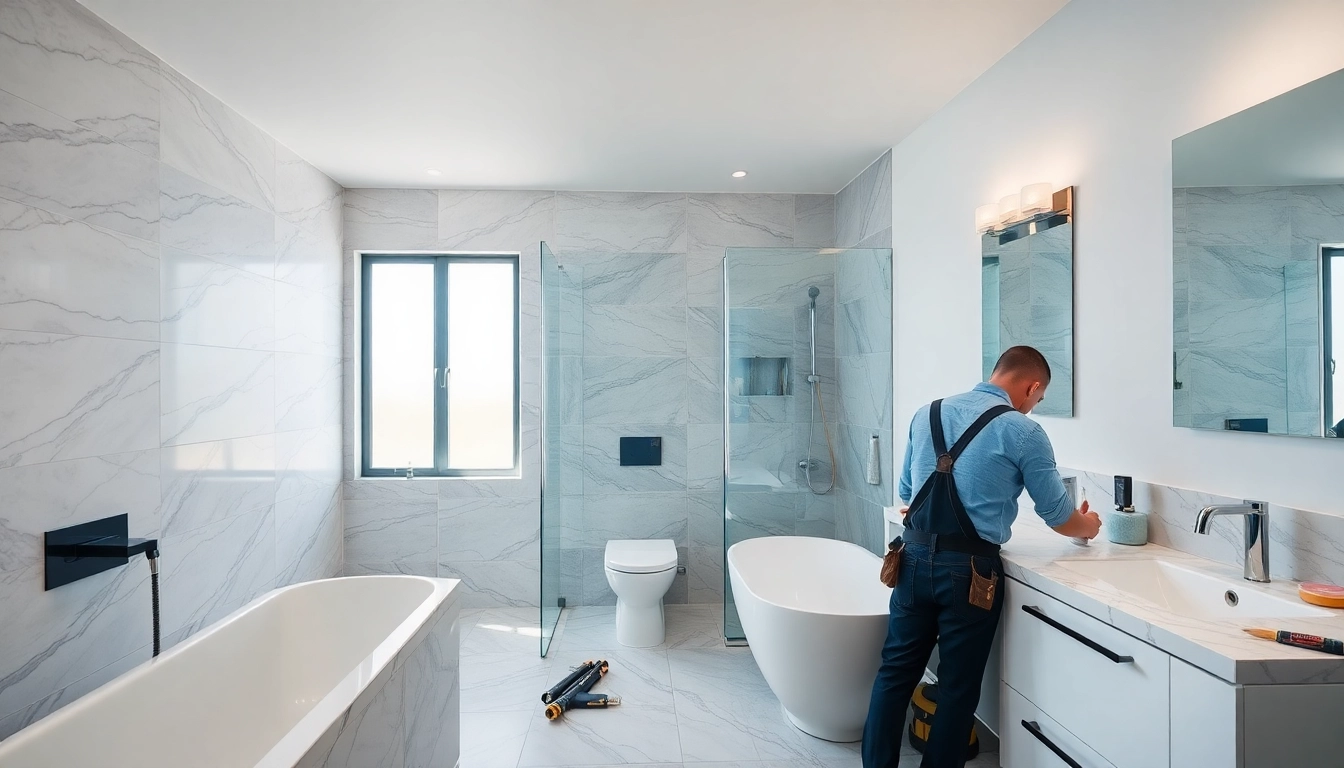
Renovation refers to the process of improving a structure or space through various alterations, repairs, and updates. While it may involve cosmetic changes such as painting or new flooring, renovations can also extend to more significant modifications like reconfiguring layouts or upgrading systems. The goal of renovation is to bring an outdated or damaged space up to current standards, enhance functionality, or simply refresh aesthetics. In many cases, homeowners undertake renovation to reflect personal style or increase property value.
Benefits of Renovation
Engaging in renovation can provide numerous advantages beyond mere aesthetics. Key benefits include:
- Increased Property Value: A well-executed renovation can significantly boost the market value of your home, making it a great investment.
- Improved Energy Efficiency: Updating old appliances and systems can reduce energy consumption, lowering utility bills.
- Enhanced Functionality: Renovations allow you to tailor spaces to meet your specific needs, improving the overall functionality of your home.
- Personal Satisfaction: Renovations bring the joy of creating a space that reflects your personality and lifestyle.
Common Renovation Mistakes
While renovations can be rewarding, they also come with potential pitfalls. Common mistakes include:
- Lack of Planning: Failing to plan thoroughly can lead to budget overruns and incomplete projects.
- Underestimating Costs: It’s vital to have a realistic budget that includes unexpected expenses.
- Poor Design Decisions: Not considering functionality and aesthetics together can result in impractical layouts.
- Skipping Permits: Neglecting to adhere to local building codes can lead to fines and complications down the line.
Planning Your Renovation Project
Setting a Realistic Budget
The foundation of any successful renovation lies in a well-structured budget. Start by determining how much you can afford and consider other financing options such as home equity loans or personal loans if necessary. Break down the budget into categories like materials, labor, permits, and furnishings. Always allocate a contingency fund of about 10-20% for unforeseen issues. Keeping your budget realistic will help you manage expectations and streamline your renovation process.
Choosing the Right Contractors
Hiring the right professionals can make or break your renovation experience. When selecting contractors, consider their qualifications, portfolios, and reviews. Obtain multiple quotes to compare costs, but don’t base your decision solely on the lowest price; check references and ensure they have appropriate insurance and licenses. A reliable contractor will not only fulfill the technical needs of your renovation but also provide invaluable insights throughout the project.
Timeline for Your Renovation
A comprehensive timeline is essential for keeping your project on track. Begin by outlining key milestones, such as design finalization, procurement of materials, and demolition phases. Anticipate potential delays due to weather or supply chain issues, and incorporate flexibility into your schedule. Keeping open communication with your contractor will help maintain momentum and address any setbacks promptly.
Design Considerations for Renovation
Functional Layouts
A functional layout is crucial for the efficiency and comfort of your space. Consider the flow of movement, ensuring that rooms are designed for their intended purposes. For kitchens, this means establishing the classic work triangle between the stove, fridge, and sink. In living spaces, arrange furniture to promote conversation and connectivity. Engaging with a designer can also help you visualize the best layout options tailored to your specific needs.
Incorporating Sustainable Practices
Renovations provide an opportune moment to incorporate sustainability into your home. Utilize eco-friendly materials, such as bamboo flooring or recycled products, and opt for energy-efficient appliances. Consider installing solar panels or highly efficient HVAC systems to reduce long-term energy costs. Sustainable practices not only benefit the environment but can also appeal to potential buyers in the future.
Selecting the Right Materials
The quality of materials can influence both the longevity and the aesthetic appeal of your renovation. Research and choose materials that align with your vision and budget while also considering durability. For instance, while hardwood floors may provide timeless beauty, porcelain tiles offer excellent durability in high-traffic areas. Always ensure the materials you select are suitable for the specific climates and conditions of your home.
Executing Your Renovation
Managing Daily Operations
Maintaining oversight of daily operations during a renovation is critical to ensure that work progresses smoothly. Schedule regular check-ins with your contractor to address any issues immediately. Establish a clear line of communication with your team, defining which aspects need daily updates. Monitoring progress closely helps keep the project on track and within budget.
Quality Control During Renovation
Implementing measures for quality control throughout the renovation can save you from future headaches. Regularly inspect the work being done and ensure it aligns with the agreed-upon specifications and materials. Encourage your contractor to maintain high standards and can request adjustments if the work does not meet expectations. Documenting the process can also protect you in case of disputes.
Staying Within Budget
Adhering to your budget requires diligent monitoring. Keep detailed records of expenditures and continuously compare actual costs with your budget plan. If unexpected expenses arise, assess if they are worth the investment or if adjustments can be made to other aspects of the project. Being proactive about finances will reduce stress and lead to a successful renovation completion.
Final Touches and Aftermath of Renovation
Decorating Post-Renovation
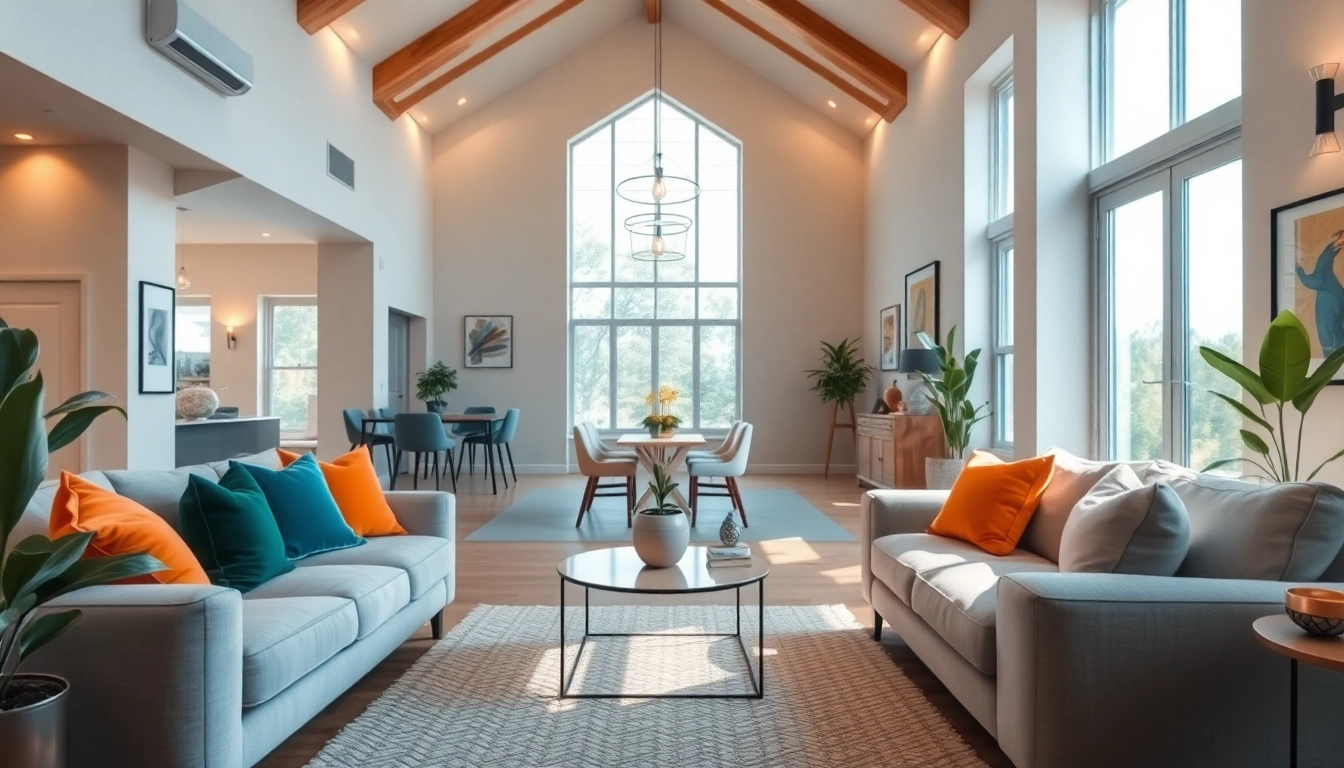
After the heavy lifting of renovation is complete, it’s time to add personality to your new space. Consider décor that reflects your style while complementing the renovations. Start with larger pieces such as furniture and gradually layer in smaller decor items and art. Balancing aesthetics is key; ensure that colors, textures, and themes create a harmonious overall design.
Maintaining Your Newly Renovated Space
Ongoing maintenance is essential for preserving the integrity and beauty of your renovations. Create a schedule for regular cleaning, repairs, and inspections. Monitor conditions like humidity and temperature to protect structures and materials. By nurturing your newly renovated space, you can enjoy its beauty and functionality for years to come.
Assessing the Value of Your Renovation
Evaluating the value your renovations have added can provide useful insights for future projects or resale considerations. Consider hiring a professional appraiser post-renovation to assess how the changes have increased your property value. Additionally, gather data on comparable homes in your area to understand market trends and ensure that your investment delivers a positive financial return.
FAQs on Home Renovation
What is the typical ROI on home renovations?
The return on investment varies but generally, kitchen and bathroom renovations offer the highest ROI, often recouping 70-80% of costs.
How long does a renovation project usually take?
The duration depends on the project size and complexity, typically ranging from a few weeks for minor updates to several months for extensive renovations.
Do I need permits for home renovations?
Many renovations require permits, especially structural changes or electrical and plumbing work. Always check local regulations before starting.
Can I live in my home during renovations?
This depends on the project’s scope. Minor renovations may allow you to stay, but significant work, especially in kitchens or bathrooms, might necessitate temporary relocation.
What can I do if my renovation project goes over budget?
If costs exceed your budget, review your expenses, prioritize necessary adjustments, and consider scaling back non-essential aspects of the project.